



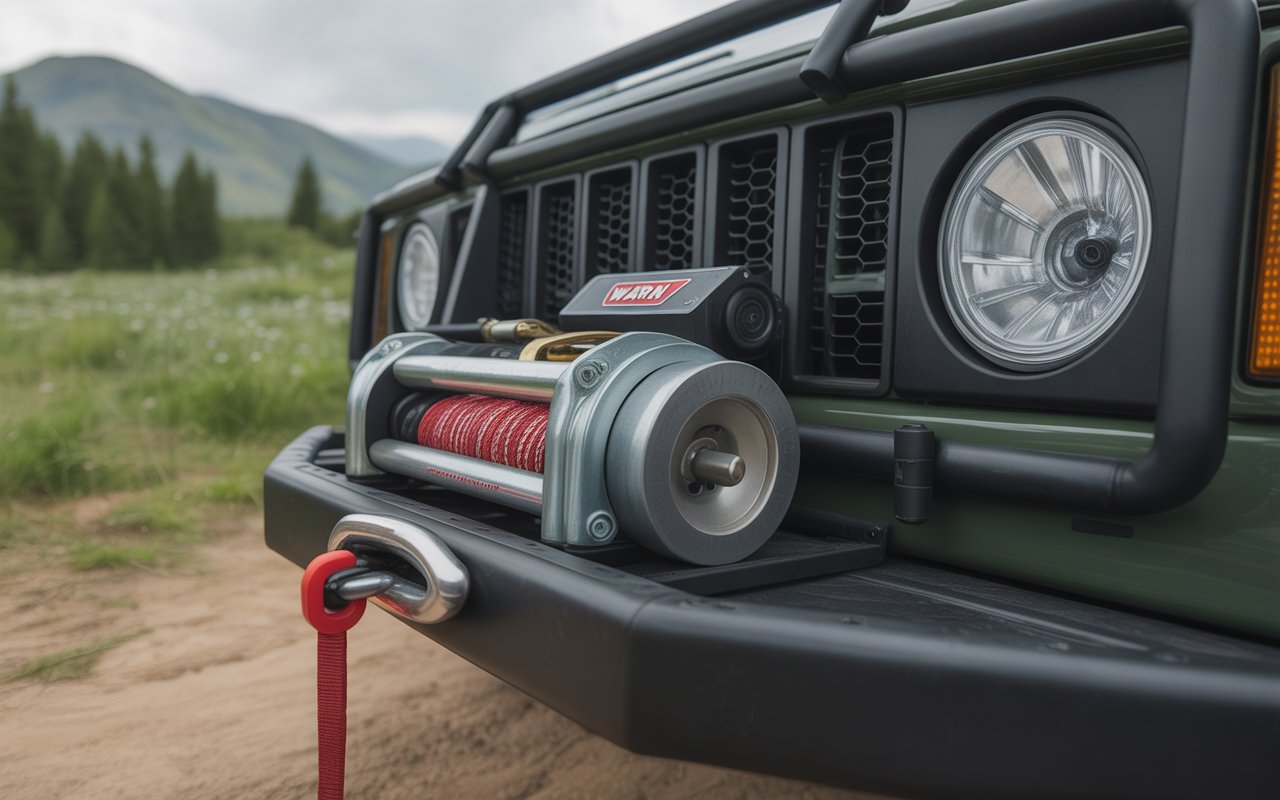
Warn Winch: A Complete, Friendly Guide for Everyday Drivers and Adventure Lovers
If you’ve ever been off-roading, towing something heavy, or stuck in a muddy trail wondering, “Why didn’t I prepare better?”, then you already understand why a winch is more than just a tool—it’s peace of mind. And when people talk about toughness warn winch and reliability in the world of winches, one name always comes up:
In this guide, let’s break down everything you’d want to know about a Warn winch—its purpose, its value, how it works, why people trust it, and how to pick the right one for your vehicle or hobby. I’ll keep it simple, friendly, and practical, like we’re sitting together talking about gear before a big trip.
H2: What Exactly Is a Warn Winch?
A winch is a device that lets you pull, lift, drag, or recover heavy loads using a motorized spool of rope or cable. Warn’s versions are known worldwide for their rugged build and long-lasting performance.
Think of a winch as your vehicle’s “backup buddy”—the friend who always shows up when you start sinking, sliding, or struggling to get out of a tricky spot.
H2: Why Warn Became a Trusted Brand
Strong Reputation
Warn has been around since the 1940s, starting with simple locking hubs and eventually becoming an industry icon. Over time, they built a reputation for toughness, quality steel, and reliable mechanisms.
Innovation in the Field
From updated motors to stronger ropes and smarter control boxes, Warn always seems one step ahead. Their products often set the standard others try to follow.
Used by Professionals
Firefighters, rescue teams, military units, farmers, and off-road experts rely on Warn equipment. When people in high-risk situations trust a brand, that says something.
H2: How a Winch Works (Explained Simply)
Using a Warn winch isn’t as complicated as it looks. Here’s a simple breakdown:
Power Source
Most winches get their energy from your vehicle’s battery.
Motor
This drives the drum (the round cylinder) that pulls the rope in or out.
Drum and Rope
The drum winds the rope—either synthetic or steel—depending on what you choose.
Control System
This lets you operate the winch using a wired or wireless remote.
To picture it more clearly, imagine a fishing reel, but instead of pulling a fish, you’re pulling a whole truck or log!
H2: Key Features That Make Warn Winches Stand Out
1. Heavy-Duty Motors
Warn motors are engineered for high torque, meaning they can pull serious weight without overheating quickly.
2. Waterproof and Dustproof Construction
Many models come with IP ratings that protect them during harsh weather, water crossings, or sandy trails.
3. Durable Gears
Warn uses hardened steel gears designed to last for years. They handle stress well and won’t give up on you when you need them most.
4. Smart Controls
The remotes and control systems are intuitive, making operation simple even if you’re new to winching.
5. Options for Every Vehicle Type
Whether you’re driving a compact SUV, a pickup, a jeep, or an ATV, there’s a model that fits perfectly.
H2: Popular Warn Winch Series (Explained Clearly)
**H3: Warn VR EVO Series
This is the go-to choice for people who want strong performance without a high price tag. It’s excellent for beginners and casual off-roaders.
**H3: Warn ZEON Series
Think of ZEON as the luxury model—sleek, strong, quiet, and highly reliable. It’s what many enthusiasts choose when they want long-term durability.
**H3: Warn AXON Series (For ATVs & UTVs)
These compact winches are built specifically for side-by-sides and smaller vehicles. They pack serious strength into a small frame.
**H3: Warn Industrial Line
Used for heavy lifting, construction, and commercial recovery jobs. These are built to survive harsh environments and constant use.
H2: Synthetic Rope vs. Steel Cable: What Should You Choose?
Choosing between synthetic and steel depends on where and how you drive.
Steel Cable
-
Stronger and more resistant to abrasion
-
Great for rocky situations
-
Lasts longer when used correctly
Synthetic Rope
-
Easier to handle
-
Lighter in weight
-
Safer in case of a snap
-
Ideal for mud or water situations
If you often drive in wet, muddy terrain, synthetic might be your best friend. If you deal with rocky landscapes, steel could be the better choice.
H2: How to Choose the Right Winch Capacity
One common question is: “How powerful should my winch be?”
A good rule of thumb is:
Your winch should handle 1.5 times the weight of your vehicle.
So, if your SUV weighs 5,000 lbs, go for at least a 7,500 lb winch.
This buffer helps the winch pull effectively on inclines, mud, or sand where resistance is higher.
H2: Installation Basics (Without the Technical Confusion)
Installing a winch might sound intimidating, but with the right tools and basic know-how, many people do it themselves.
Here’s a simplified breakdown:
Mounting
You need a strong bumper plate or dedicated winch mount.
Wiring
Connect the winch cables to your vehicle’s battery—positive to positive, negative to negative.
Control Setup
Attach the control pack and plug in the remote or connect the wireless system.
Testing
Run the rope in and out before hitting the trail to ensure everything works smoothly.
If you’re unsure, having a professional install it is always a safe choice.
H2: When and Why You Might Need a Winch
Off-Road Adventures
If you drive through mud, snow, sand, or steep trails, a winch can get you out when tires fail.
Work and Farming
Farmers use winches to move logs, lift equipment, or clear pathways.
Camping and Overlanding
Winches help clear obstacles, move heavy branches, or assist other travelers stuck along the way.
Emergency Recovery
Rescue teams use winches in floods, storms, or mountain recovery missions.
A winch is like a silent insurance policy—most of the time, you won’t use it, but the day you need it, nothing else compares.
H2: Safety Tips Everyone Should Know
Winching can be dangerous if done carelessly. Here are essential safety tips:
Use Gloves
Ropes—especially steel—can have sharp burrs.
Stand at a Safe Distance
Never stand directly in line with a tensioned rope.
Use a Dampener
Place a heavy blanket or dampener in the middle of the rope to reduce snapback risk.
Double-Check Anchors
A weak anchor point can cause serious damage or injury.
Keep Communication Clear
If others are helping, make sure everyone understands the plan before pulling.
H2: Maintenance That Keeps Your Warn Winch Alive for Years
Just like your vehicle, your winch needs a little care:
Regular Rope Checks
Look for fraying, rusting, or worn spots.
Clean After Muddy Trips
Dry mud can damage gears and internal parts.
Lubricate Moving Parts
This helps prevent metal wear and keeps the system smooth.
Check Electrical Connections
Loose cables can interrupt performance when it matters most.
A little maintenance goes a long way—think of it like brushing your teeth but for your winch.
H2: Signs Your Winch Needs Attention
Even a strong winch may show warning signs:
-
Slower pulling speed
-
Strange noises
-
Overheating quickly
-
Rope sticking or jumping on the drum
-
Weak power
If you notice these, inspect the parts or get help from a technician.
H2: Should You Upgrade Your Old Winch?
If you’ve had the same winch for years or you use it heavily, upgrading might make sense.
Newer Warn models come with:
-
Stronger motors
-
Better waterproofing
-
Faster pull speeds
-
Wireless remotes
-
Lighter synthetic ropes
Sometimes, upgrading improves both safety and convenience.
Conclusion
A Warn winch isn’t just a tool—it’s confidence built into your vehicle. Whether you’re exploring back roads, towing equipment, camping in the wilderness, or helping someone stuck in snow, having a winch gives you the freedom to push your limits safely.
By choosing the right model, understanding how it works, and giving it a little maintenance, you’ll have a reliable partner that steps in when the road gets tough.
A winch doesn’t just pull vehicles—it pulls you out of stressful situations, gives you peace of mind, and turns “uh-oh moments” into simple challenges.
FAQs
1. How do I know which Warn winch size is right for my vehicle?
Multiply your vehicle’s weight (GVWR) by 1.5. Choose a winch that supports at least that capacity.
2. Is synthetic rope safe for everyday winching?
Yes, it’s lighter, easier to handle, and safer in case of breakage. Just keep it clean and dry when possible.
3. Do Warn winches work in deep water?
Many models have waterproof ratings and can function in wet environments, but avoid long submersion to protect the motor.
4. Can I install a winch on a stock bumper?
Most stock bumpers can’t support winches. You’ll usually need a winch-ready bumper or mount plate.
5. How long does a Warn winch typically last?
With proper care—cleaning, wiring checks, and rope maintenance—Warn winches can last many years, even with regular use.
