



Damascus Steel Knife: History, Craft, Beauty, and Everyday Value
A Damascus steel knife is more than just a cutting tool—it’s a blend of history, craftsmanship, and visual art. Have you ever seen a blade with flowing, wave-like patterns that almost look alive? That’s the magic people often associate with this legendary material. For centuries, these knives have sparked curiosity, admiration, and sometimes even myths. But what exactly makes them so special, and are they really worth the attention they get today?
In this comprehensive guide, we’ll explore everything you need to know—from origins and forging techniques to modern uses and care—using simple language and a friendly, conversational tone. Think of this article as a long, relaxed chat over tea, where we unwrap the story of Damascus steel knives layer by layer, just like the metal itself.
What Is a Damascus Steel Knife?
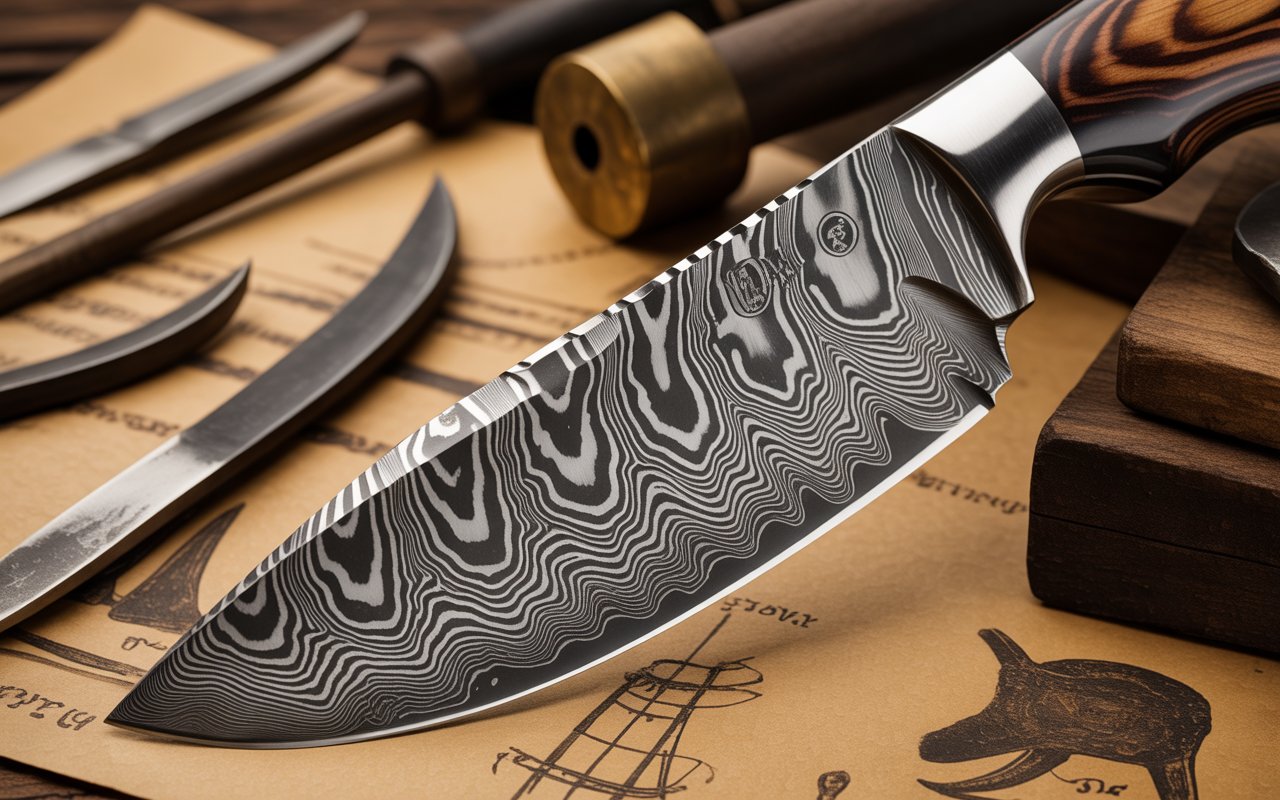
At its heart, a Damascus steel knife is crafted by bonding multiple types of steel through heat and pressure, creating a strong, layered blade. These layers create distinctive patterns—often wavy, watery, or feather-like—across the surface of the blade.
Unlike ordinary knives that look plain and uniform, this type of blade stands out immediately. It’s a bit like wood grain on a fine table: no two pieces are ever exactly the same. That uniqueness is a big part of its charm.
But beauty isn’t the only reason people care. Traditionally, these blades were valued for strength, flexibility, and edge retention. Over time, the term “Damascus” has come to represent both performance and artistry.
A Journey Back in Time: The Origins of Damascus Steel
Ancient Beginnings
The story starts more than a thousand years ago. Early versions of Damascus steel are believed to have originated in South Asia and the Middle East. Blades made from a material known as wootz steel were traded and admired for their cutting ability and resilience.
The name “Damascus” is often linked to the city of Damascus in Syria, a major trading hub where these blades were sold. Whether the steel was actually made there or simply traded through the city is still debated.
Legends and Myths
Old stories claim these swords could slice through silk in mid-air or cut other blades in half. While some tales are exaggerated, there’s no denying that ancient bladesmiths were doing something extraordinary for their time.
Think of it like early chefs discovering secret spice blends—no written recipes, just skill passed down by practice and observation.
How Damascus Steel Is Made Today
Layering and Folding
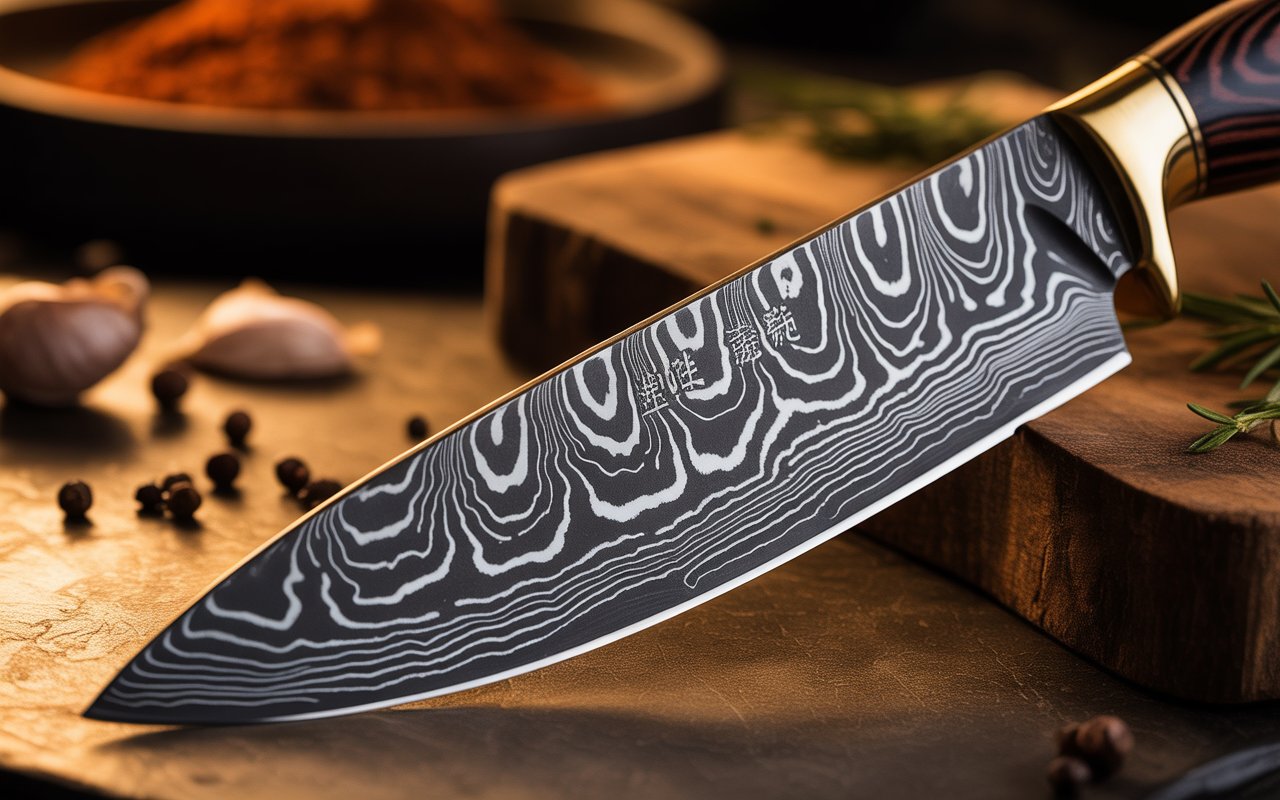
Modern Damascus steel is typically made by stacking different types of steel, heating them, and hammering them together. This process is repeated many times, creating dozens or even hundreds of layers.
Each fold increases strength and complexity, much like folding dough to make flaky pastry. The more folds, the finer the result.
Creating the Patterns
After forging, the blade is treated with an acid solution. This reveals the contrasting layers, bringing out those famous patterns. The final look depends on how the steel was twisted, cut, or shaped during forging.
No shortcuts here—this is hands-on work that demands patience and precision.
Why Damascus Steel Knives Look So Unique
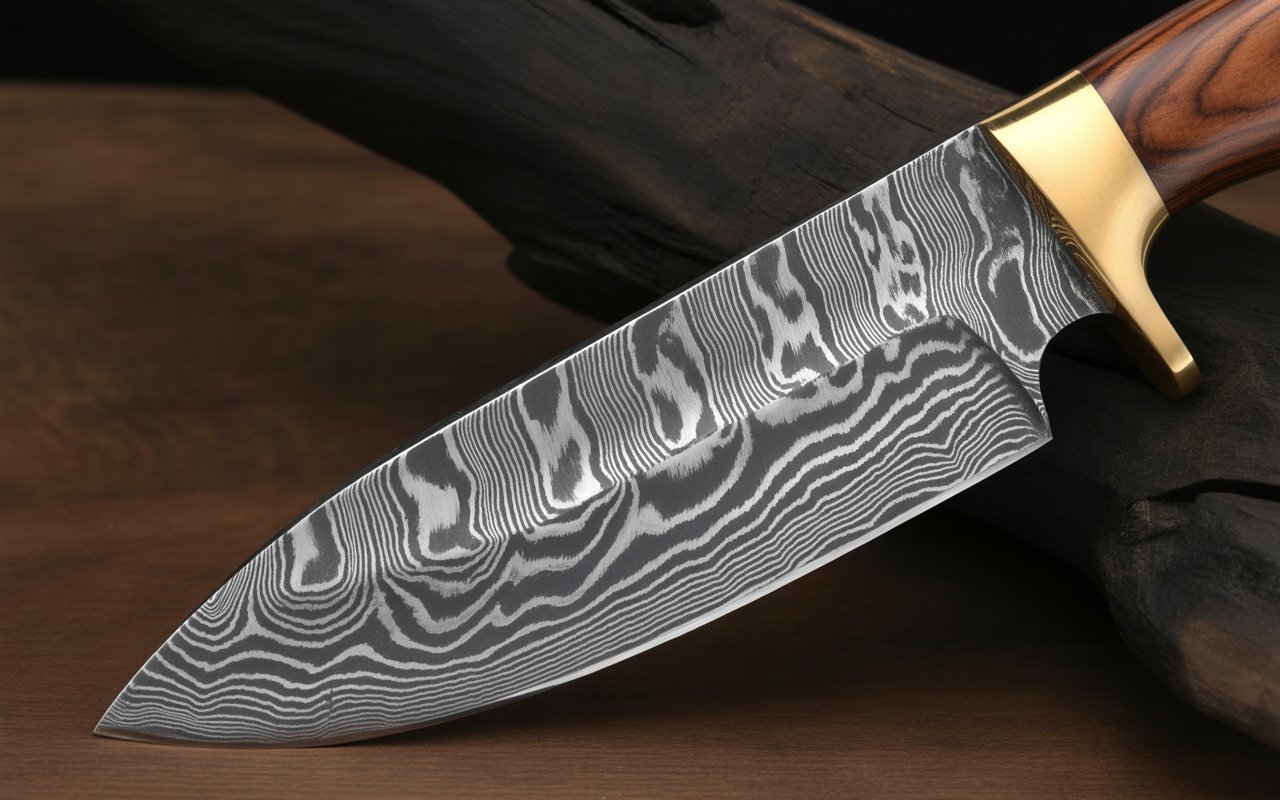
One glance is usually enough to spot one. The patterns aren’t painted or stamped; they’re part of the steel itself.
Some common visual styles include:
-
Flowing waves
-
Ladder-like lines
-
Raindrop effects
-
Feathered designs
Each blade is like a fingerprint. Even knives made by the same craftsman will never look identical. For many owners, that individuality feels personal—like owning a one-of-a-kind piece of functional art.
Performance: Are Damascus Steel Knives Actually Better?
This is a fair question. After all, a knife isn’t just for display.
Sharpness and Edge Holding
Thanks to the layered structure, these blades can achieve a fine edge while still maintaining toughness. They’re often praised for staying sharp longer than basic blades.
Strength and Flexibility
Combining different steels balances hardness and flexibility. That means less risk of chipping or snapping during normal use.
That said, performance depends heavily on the quality of craftsmanship. A well-made knife shines, while a poorly made one is just pretty metal.
Common Uses in Everyday Life
Kitchen Work
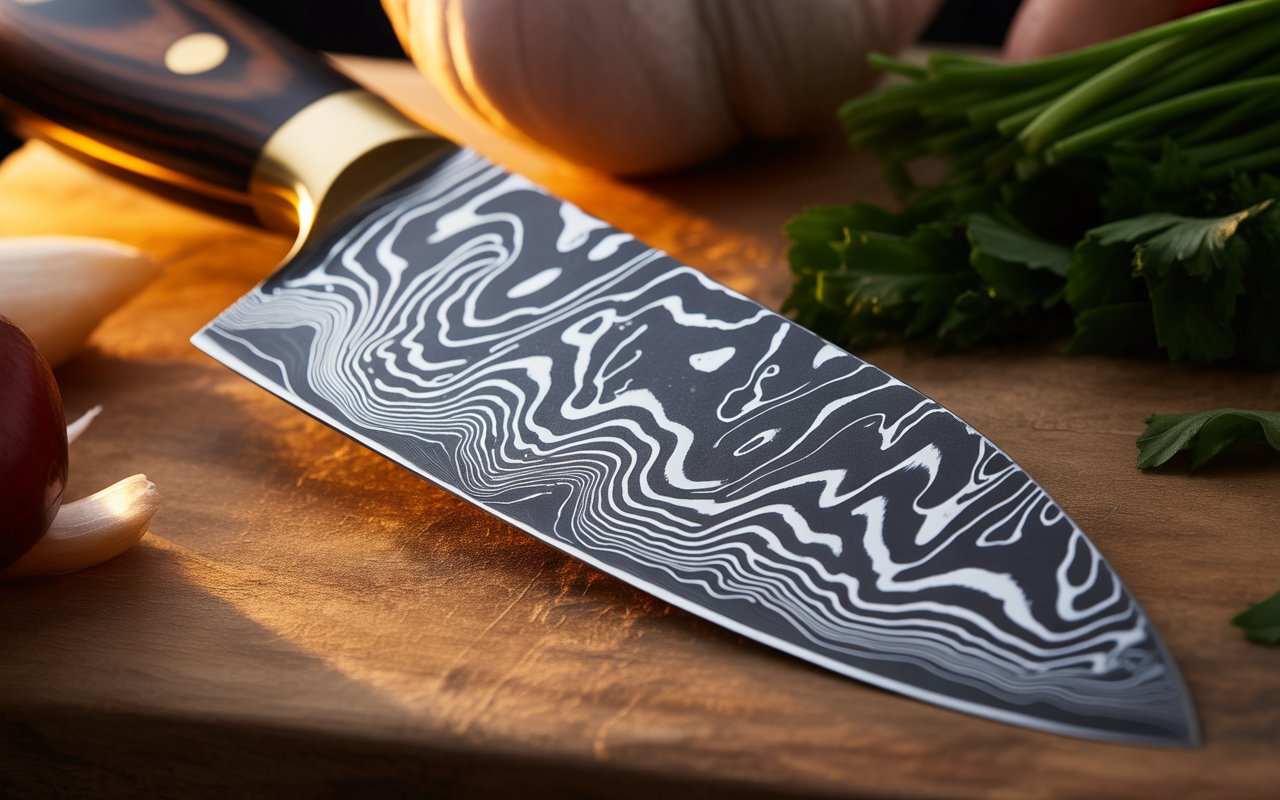
Many home cooks and chefs love using Damascus steel knives for food preparation. They handle slicing, chopping, and dicing with ease, and let’s be honest—they look fantastic on a kitchen counter.
Outdoor and Utility Tasks
From camping to general utility work, these knives are also popular outdoors. Their strength and reliability make them suitable for demanding conditions.
Collectors and Gifts
Some people never plan to cut a thing. For them, a Damascus steel knife is a collectible item or a meaningful gift that symbolizes craftsmanship and tradition.
Handmade vs Mass-Produced Blades
Hand-Forged Knives
These are crafted by skilled makers who control every step of the process. The result is often higher quality, better balance, and more character.
Factory-Made Options
Mass-produced versions are more affordable and widely available. While they may not carry the same soul as handmade pieces, many still offer good performance and attractive designs.
Choosing between them is a bit like deciding between handmade shoes and store-bought ones—both work, but the experience differs.
How to Care for a Damascus Steel Knife
A beautiful blade deserves proper care.
Cleaning Tips
Always clean the knife after use and dry it immediately. Avoid leaving it wet, as moisture can cause surface discoloration.
Storage Advice
Store it in a dry place, preferably with a sheath or knife block. A light coat of oil now and then helps protect the surface.
Sharpening
Use gentle sharpening tools and avoid aggressive methods. Treat the blade with respect, and it will reward you for years.
Myths and Misunderstandings
Let’s clear up a few common misconceptions.
-
“They never rust.”
Not true. They still need care. -
“All Damascus steel is ancient.”
Most blades today are modern interpretations. -
“Patterns mean quality.”
Patterns are beautiful, but craftsmanship matters more.
Understanding these points helps buyers make smarter choices.
How to Choose the Right Damascus Steel Knife
When shopping, ask yourself a few simple questions:
-
What will I use it for?
-
Do I prefer handmade or factory-made?
-
Does it feel comfortable in my hand?
A good knife should feel balanced, solid, and easy to control. Trust your instincts—if it feels right, it probably is.
The Emotional Appeal: Why People Love These Knives
There’s something deeply human about appreciating a tool that’s both useful and beautiful. A Damascus steel knife connects us to history, skill, and creativity.
It’s like listening to music on vinyl instead of streaming—it’s not just about function, but about experience.
Conclusion: A Blade That Tells a Story
A Damascus steel knife isn’t just metal shaped into a tool. It’s a story forged through heat, effort, and tradition. Whether you’re a cook, an outdoors enthusiast, or simply someone who appreciates fine craftsmanship, these knives offer a blend of beauty and performance that’s hard to ignore.
With proper care and thoughtful choice, a Damascus steel knife can be a lifelong companion—reliable, striking, and always a conversation starter.
Frequently Asked Questions (FAQs)
What makes Damascus steel different from regular steel?
It’s made by layering different steels together, creating unique patterns and balanced performance.
Are Damascus steel knives good for daily kitchen use?
Yes, many are excellent for everyday cooking when properly cared for.
Do Damascus steel knives require special maintenance?
They need basic care like drying after use and occasional oiling.
Are all patterned knives true Damascus steel?
No, some are etched or laser-patterned, so quality varies.
Is a Damascus steel knife worth the price?
If you value craftsmanship, durability, and unique design, many people feel it is.
