



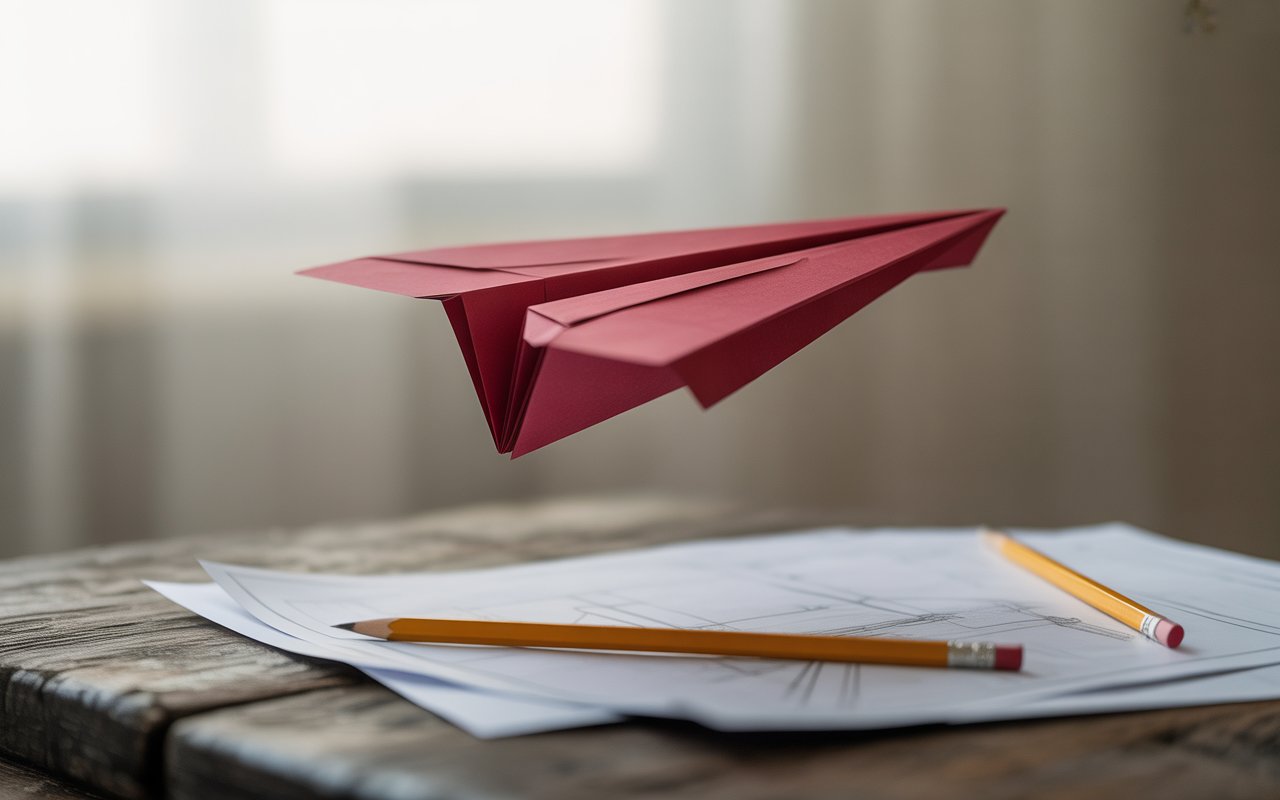
Paper Airplane: From Childhood Fun to Creative Engineering
We’ve all done it at least once—folded a piece of paper, took aim, and launched it across a room. What starts as a simple childhood pastime, the humble paper airplane, has a story that’s bigger than you might think. It’s not just about tossing folded paper; it’s about creativity, design, science, and even history. In this article, we’ll take a deep dive into the world of paper airplanes, exploring how they work, their origins, their role in education, and why they continue to fascinate people of all ages.
The Timeless Joy of Folding Paper
There’s something magical about taking a plain sheet of paper and turning it into a flying object in just a few folds. It’s like origami with wings. No special tools, no expensive equipment—just paper and imagination. That’s part of why this activity has endured for generations. It’s accessible, portable, and endlessly adaptable.
A Brief History of Paper Airplanes
While most people associate folded paper planes with school classrooms, the practice goes back much further. Historians trace paper folding to ancient China and Japan, where paper was used for ceremonial and recreational purposes. Leonardo da Vinci himself sketched flying machines and may have tested aerodynamic models using folded parchment. By the 20th century, paper airplanes became a common pastime, especially during World War II when aviation captured the public imagination.
The Science Behind the Flight
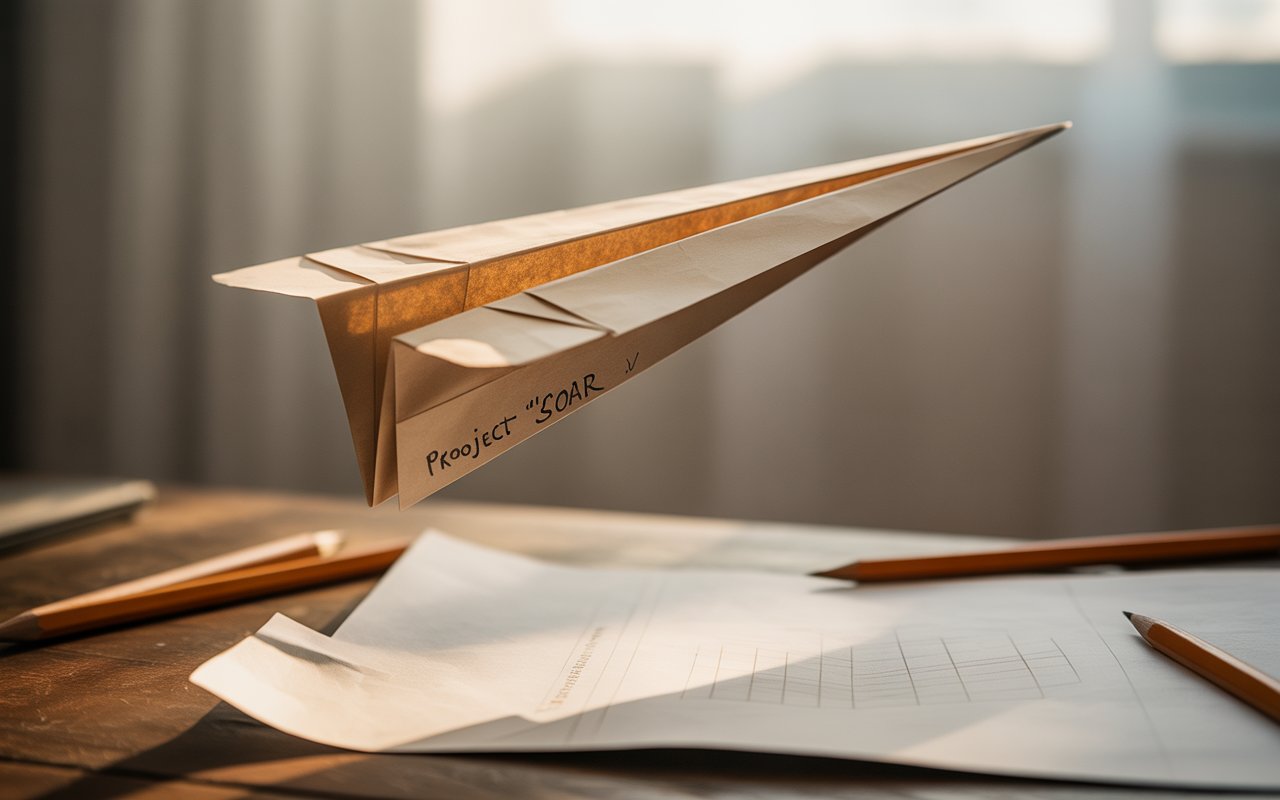
At first glance, throwing a paper airplane seems simple. But when you look closer, it’s a small-scale demonstration of aerodynamics.
-
Lift and drag: Unlike real aircraft, paper planes don’t have engines or curved wings, but air resistance (drag) still influences how far and straight they fly.
-
Weight and balance: The type of paper and folding style affect the weight distribution. A heavier nose might make the plane fly straighter, while lighter folds can cause loops or curves.
-
Thrust: Your throw provides the energy, much like engines do for real planes. A gentle toss may cause it to glide smoothly, while a strong fling might make it nosedive.
In a way, every throw is a mini science experiment.
Different Types of Paper Airplanes
Not all paper planes are created equal. Just as cars are designed for speed, comfort, or endurance, paper airplanes have their own specialties.
-
The Dart: Sleek and sharp, designed for distance and speed.
-
The Glider: Wide wings allow it to drift slowly and cover longer airtime.
-
The Stunt Plane: Folded for tricks like loops, spins, or curves.
-
The Hybrid: A mix of styles that balances distance and airtime.
Each type teaches something about design trade-offs. A dart might go farther, but a glider might stay in the air longer.
Choosing the Right Paper
You might not think twice about the kind of paper you use, but it makes a big difference. Standard printer paper is a good all-rounder, while thinner sheets fold easily but may lack stability. Cardstock can create sturdier planes but might be harder to fold precisely. Even recycled scraps can surprise you with their performance. Choosing paper is like choosing the canvas for a painting—it shapes the final outcome.
Folding Techniques: Simple to Complex
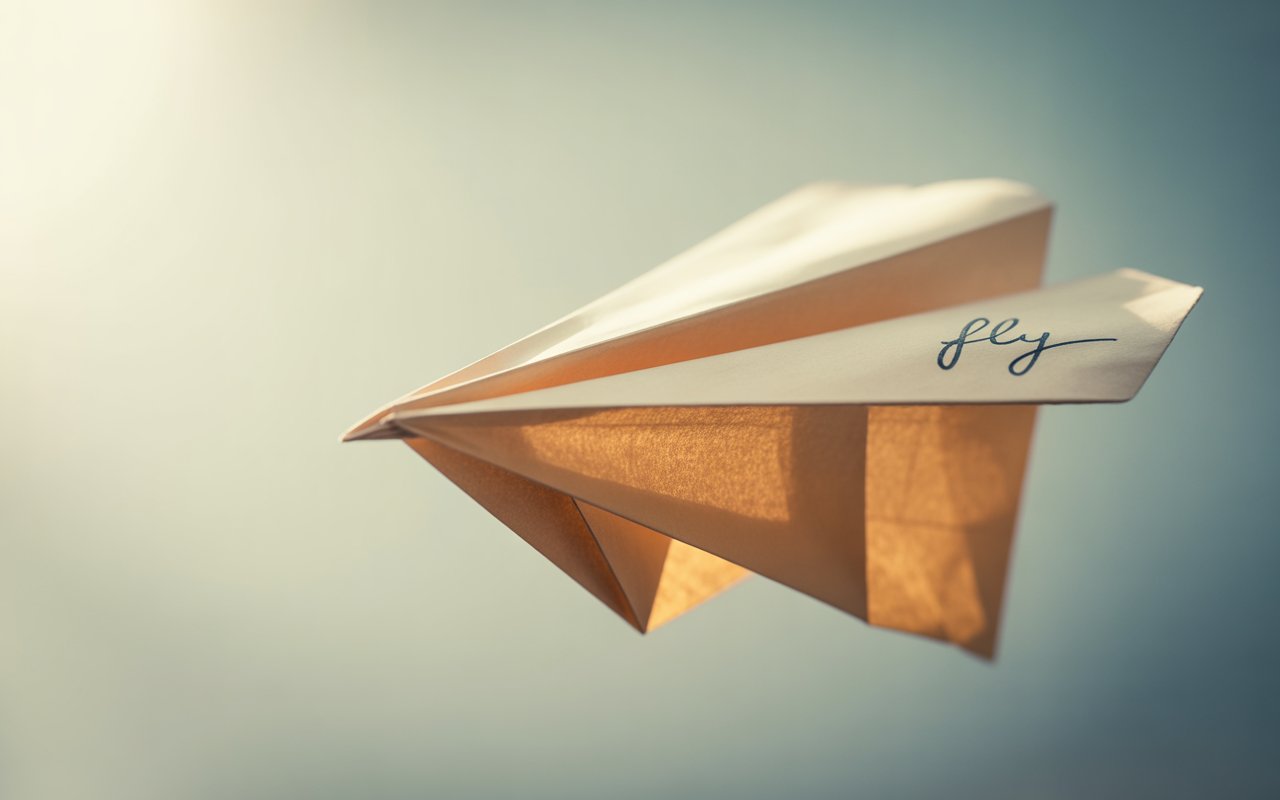
At its core, making a paper airplane requires only a few folds. But once you get into it, you’ll discover countless variations. Some designs use no more than six folds, while advanced versions can have intricate steps resembling origami. Precision matters; even a slight misalignment can affect flight. For beginners, it’s best to start with classic models, then experiment with modifications to see how small changes alter the flight path.
Competitions and Records
Believe it or not, paper airplanes aren’t just for casual fun. There are global competitions where enthusiasts gather to test distance, airtime, and tricks. The Guinness World Record for the farthest flight is over 88 meters (that’s nearly the length of a football field). Universities and clubs also host contests, turning a simple pastime into a serious challenge that demands creativity, precision, and practice.
Educational Value in Classrooms
Teachers often use paper airplanes as hands-on tools to explain principles of physics, engineering, and math. Students can measure distances, compare results, and graph outcomes. It makes abstract concepts—like velocity or gravity—much more tangible. Plus, it keeps learners engaged since they’re literally throwing their work across the room.
Paper Airplanes as a Creative Outlet
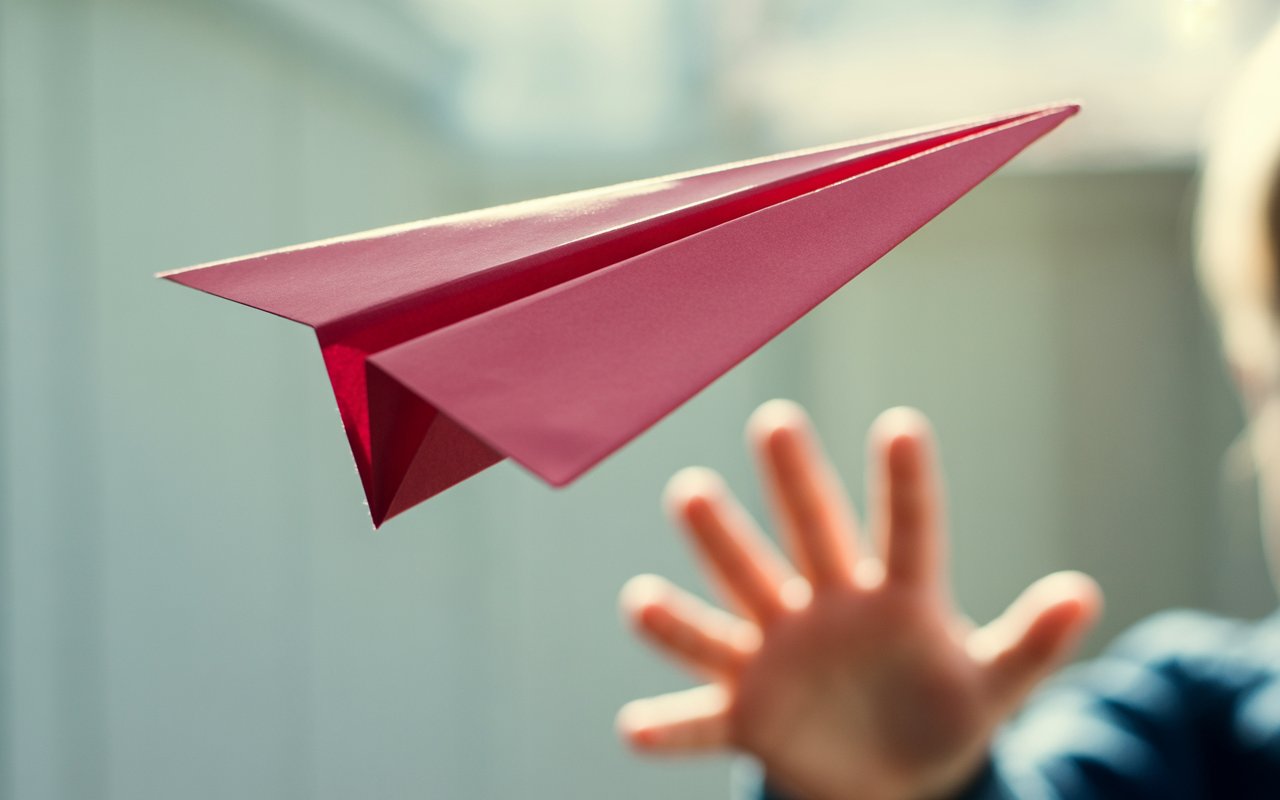
Beyond science and competition, folding paper planes is an act of creativity. You can design your own models, decorate them with colors, or invent entirely new folding methods. It’s similar to doodling—something simple that helps you relax, focus, or spark fresh ideas. Some people even turn it into an art form, creating visually stunning designs that double as decoration.
The Social Side of Paper Airplanes
Think back to when you last tossed a paper airplane. Chances are, you weren’t alone. Whether in classrooms, offices, or at home, it often becomes a shared activity. Kids challenge each other for distance, coworkers sneak in a playful toss during breaks, and families create friendly competitions. These small moments of connection show how such a simple act can bring people together.
Environmental and Practical Aspects
In a world where digital entertainment dominates, paper airplanes remind us that joy doesn’t need batteries or screens. They’re eco-friendly too, especially when made from recycled sheets. Instead of discarding scrap paper, folding it into a plane gives it a second life—at least until it crash-lands.
The Future of Paper Airplanes
What’s next for this timeless activity? With the rise of STEM education, more teachers and parents are revisiting paper airplanes as fun entry points to science. Digital tools now allow you to simulate flight paths before folding in real life. There’s even interest in merging paper models with lightweight tech, like attaching micro-motors or LED lights. The possibilities keep evolving, but the essence remains the same: fold, throw, watch, and smile.
Conclusion
From ancient paper folding traditions to modern-day competitions, paper airplanes have soared through centuries of history, imagination, and innovation. They’re proof that sometimes the simplest ideas are the most enduring. A folded sheet of paper may not change the world, but it continues to bring joy, curiosity, and creativity wherever it flies.
FAQs
1. Who invented the paper airplane?
No single person is credited, but paper folding began in ancient China and Japan. Figures like Leonardo da Vinci may have used folded parchment for testing flight concepts.
2. What type of paper works best for making paper airplanes?
Standard printer paper is a good choice, but experimenting with lighter or heavier sheets can change performance. It depends on whether you want distance, airtime, or tricks.
3. Why do some paper airplanes fly farther than others?
Design, paper weight, and throwing technique all matter. Darts tend to go farther, while gliders stay in the air longer.
4. Are there world records for paper airplane flights?
Yes, the Guinness World Record for the farthest flight is over 88 meters. There are also records for longest airtime and creative stunts.
5. Can paper airplanes teach real science?
Absolutely. They demonstrate principles of aerodynamics, balance, and force. That’s why teachers often use them in classrooms to make physics more engaging.
