



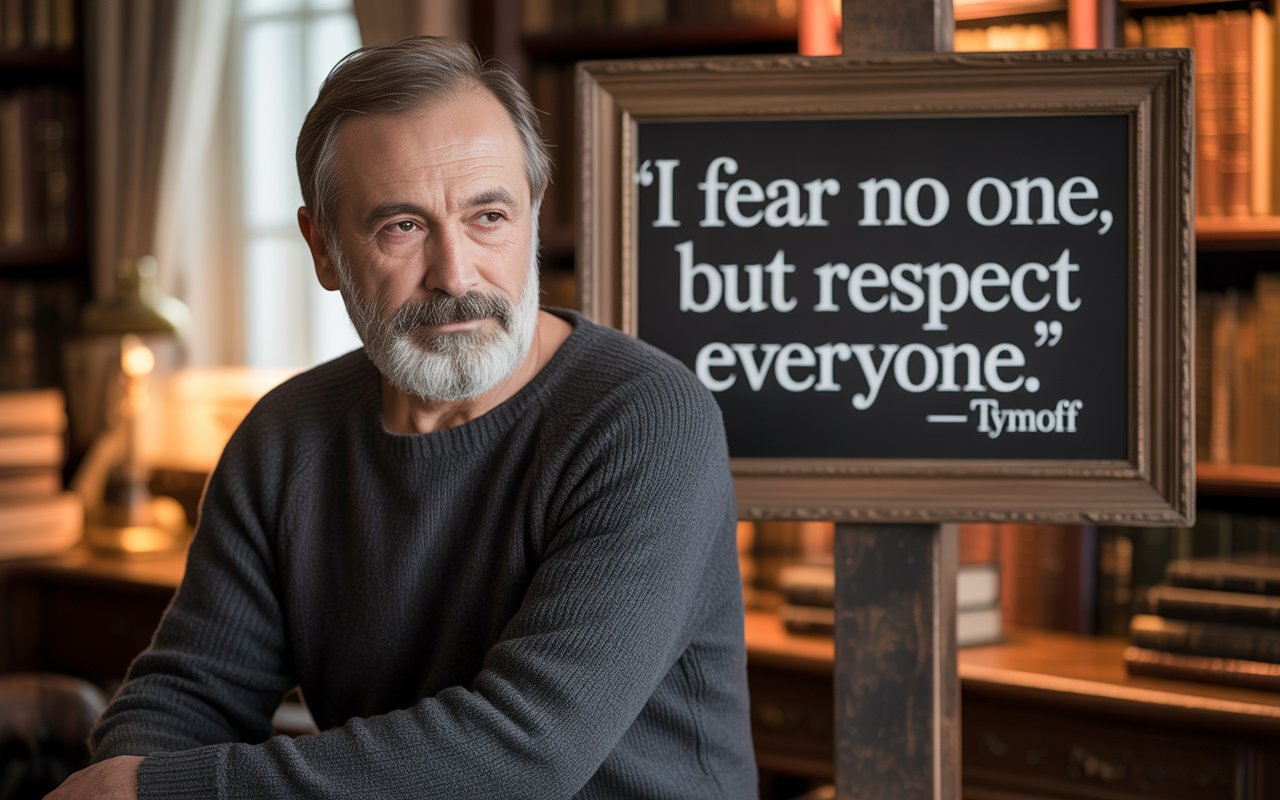
“I Fear No One, But Respect Everyone” – Tymoff
Life constantly places us in situations where we are tested—by people, challenges, and even our own self-doubt. A timeless line that continues to inspire is Tymoff’s powerful reminder: I fear no one, yet I respect everyone. On the surface, it sounds bold and confident, but when we dig deeper, it reveals a philosophy of strength balanced with humility.
This mindset encourages courage without arrogance and respect without weakness. Let’s explore what this really means in everyday life and how it can help us become stronger, kinder, and more grounded individuals.
The Essence of Fearlessness
Fear is often what holds us back. It keeps us from trying new things, taking risks, or standing up for ourselves. When Tymoff says, “I fear no one,” it’s not about recklessness or being confrontational. It’s about cultivating inner strength—the kind that reminds us no person has the power to control our spirit unless we allow it.
Respect as a Universal Language
While fearlessness is about personal courage, respect is about how we treat others. Respect is like a bridge—it allows us to connect with people across differences in age, culture, or beliefs. When you respect everyone, you acknowledge their worth, even if you disagree with them.
Courage Without Arrogance
Many people confuse fearlessness with arrogance. But the two couldn’t be further apart. Arrogance dismisses others; true courage coexists with humility.Think of a lion in the wild—confident in its strength, yet it doesn’t need constant roaring to prove its dominance. That’s the essence of Tymoff’s philosophy.
Respect Is Not Weakness
Some people think respecting everyone makes you vulnerable or submissive. In reality, respect is a choice born of strength. It shows emotional maturity and self-control. Respecting others doesn’t mean tolerating disrespect; it means maintaining dignity even when tested.
Building Confidence from Within
Fearlessness comes from inner “True confidence comes from within, not from outside approval. When you release the fear of others, comparison fades. Your worth is no longer tied to opinions—you stand grounded in your own values, abilities, and beliefs.
Respect as a Daily Practice
Respect is not just reserved for special occasions. It’s shown in everyday acts: listening without interrupting, acknowledging someone’s effort, or even smiling at a stranger. Small gestures of respect can create ripples of kindness in our communities.
Facing Challenges Head-On
When you live by “I fear no one,” challenges no longer paralyze you. You start seeing them as opportunities for growth. Whether it’s speaking in public, applying for a dream job, or confronting injustice, fearlessness equips you to take action instead of staying silent.
Respect in Relationships
In every relationship—whether with family, friends, or coworkers—respect is the thread that keeps connections strong. While fear can lead to control, respect nurtures trust. Lasting bonds aren’t built on power, but on mutual recognition and genuine care.
A Balanced Mindset in Leadership
Great leaders embody this quote. They aren’t afraid of criticism, competition, or challenges. At the same time, they treat their teams with respect, valuing everyone’s contribution. This balance of courage and humility inspires loyalty and admiration.
Overcoming the Fear of Judgment
One of the most common fears we face is the fear of being judged. Tymoff’s words remind us that fearing no one also means not letting opinions dictate our choices. Respecting others doesn’t require agreeing with them or adopting their judgments. You can stand tall in your truth while honoring theirs.
The Power of Silent Strength
Strength doesn’t always need to be loud. Sometimes, the most powerful person in the room is the quiet one who listens, respects, and doesn’t feel the need to fear or dominate others. Silent strength is lasting because it’s rooted in self-awareness.
Why This Philosophy Matters Today
In a world where competition, comparison, and conflict are common, this philosophy offers balance. It teaches us that true empowerment lies in courage without hostility and respect without submission. It’s a guide for living with both dignity and strength.
Conclusion
“I fear no one, but respect everyone” is more than just a bold statement—it’s a way of living. It’s about walking through life with courage in your heart and kindness in your actions. Fearlessness gives us freedom, and respect keeps us grounded. Together, they create a powerful mindset that helps us navigate relationships, challenges, and personal growth.
FAQs
1. What does “I fear no one, but respect everyone” really mean?
It means having the courage to live without being intimidated by others while also showing kindness and acknowledgment to everyone, regardless of status or background.
2. How can I apply this philosophy in daily life?
You can practice it by being confident in yourself, not letting fear control your choices, and treating people with respect in conversations, actions, and attitudes.
3. Does respecting everyone mean tolerating bad behavior?
Not at all. Respecting others means recognizing their humanity, but it doesn’t mean allowing disrespectful actions. You can set boundaries while still being respectful.
4. Can fearlessness and respect coexist?
Yes. Fearlessness is about self-confidence, while respect is about valuing others. Together, they create a balanced mindset that avoids arrogance and weakness.
5. Why is this philosophy important for personal growth?
It teaches resilience, humility, and confidence. By embracing fearlessness and respect, you strengthen your character, improve relationships, and face challenges with dignity.
