



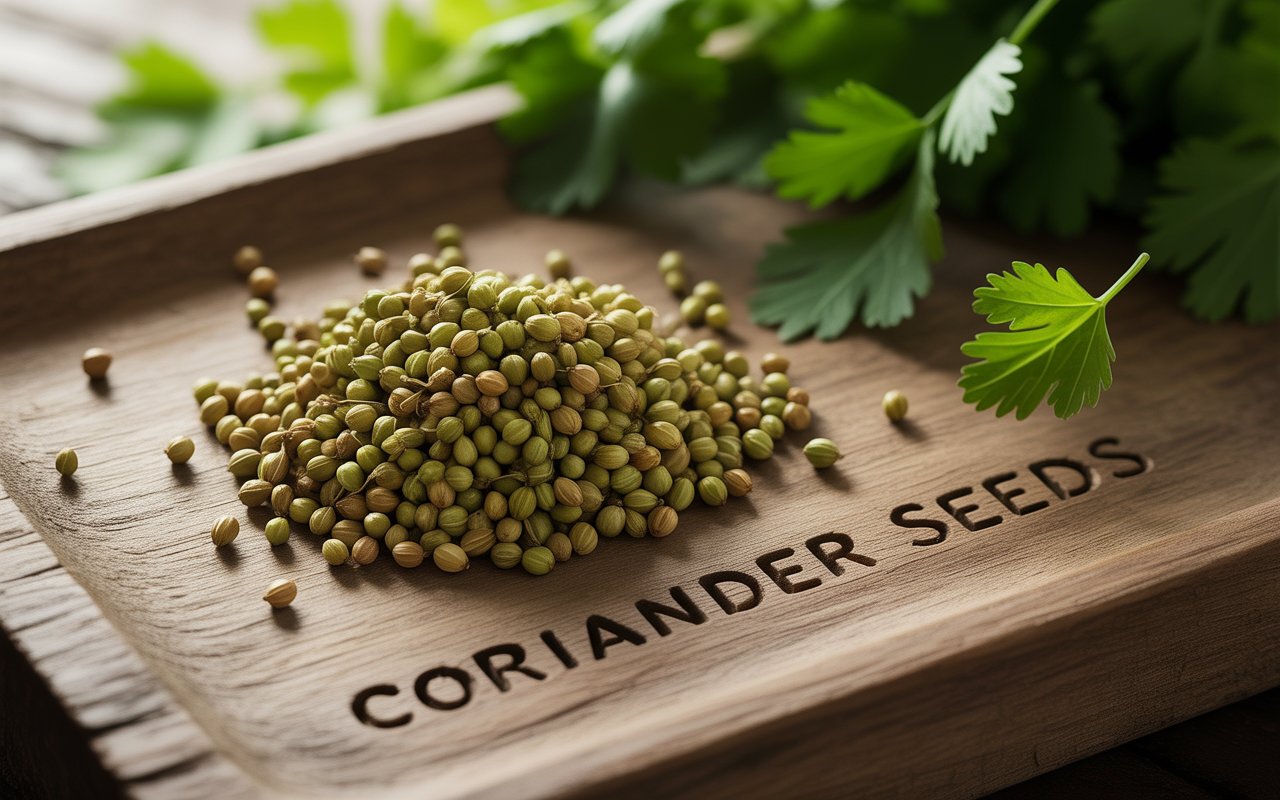
Coriander Seeds: A Tiny Spice with Big Benefits
When you open your spice box, you probably notice a bunch of colorful powders and seeds. Among them sits a small, round, brownish seed that often doesn’t get the spotlight it deserves—coriander seeds. They might look humble, but don’t let their size fool you. These little seeds carry centuries of history, flavor, and healing power. Let’s dive deep into the world of coriander seeds and see why they’ve earned a permanent place in kitchens across the globe.
A Brief Introduction to Coriander Seeds
Coriander seeds come from the coriander plant, which also gives us the fresh herb known as cilantro. Interestingly, while the leaves and seeds come from the same plant, they have very different flavors. The seeds are warm, nutty, and slightly citrusy, while the leaves are sharp and fresh. This makes coriander one of those rare plants where almost every part is used in cooking.
A Journey Through History
Coriander seeds have been used for thousands of years. Ancient Egyptians believed the seeds had medicinal properties and even placed them in tombs for use in the afterlife. The Romans and Greeks sprinkled them into bread and wine, while in India, coriander has been a staple in spice blends like curry powder and garam masala for centuries. Think of coriander seeds as tiny time capsules—each one holding a piece of culinary history.
The Flavor Profile
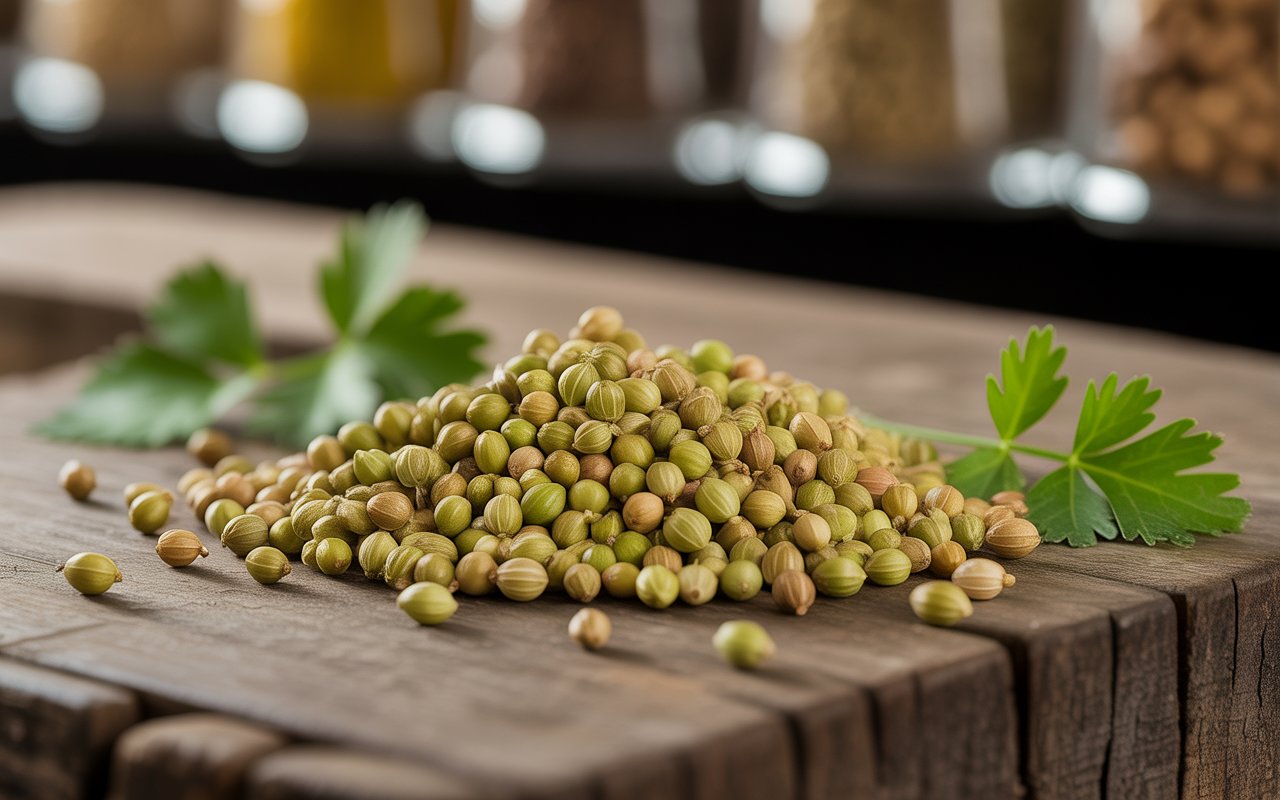
Have you ever tried tasting coriander seeds on their own? They burst with a slightly sweet, warm flavor with a hint of citrus. When roasted, they develop a nutty, earthy taste that enhances everything from curries to soups. Imagine them as the “supporting actors” in a film—they may not always be the star, but without them, the story feels incomplete.
Culinary Uses Around the World
Indian Cuisine: Coriander seeds are often dry roasted and ground into spice blends. They give depth to curries, dals, and chutneys.
Middle Eastern Cooking: In falafel, pickles, and spice rubs, coriander adds a fragrant, lemony note.
Mexican Dishes: Coriander pairs beautifully with cumin, creating the base for taco seasoning and salsas.
European Recipes: From sausages to stews, coriander seeds often add warmth and complexity.
No matter where you travel, you’ll find coriander seeds quietly flavoring the food on your plate.
Health Benefits of Coriander Seeds
Beyond taste, these seeds are packed with wellness advantages:
-
Digestive aid: A tea made from coriander seeds can soothe indigestion and bloating.
-
Blood sugar support: Studies suggest they may help regulate glucose levels.
-
Rich in antioxidants: These compounds help fight inflammation and protect the body.
-
Heart health: Coriander seeds may support healthy cholesterol levels.
-
Cooling effect: In traditional medicine, coriander is believed to cool the body and ease heat-related discomfort.
It’s like having a natural pharmacy sitting in your spice rack.
Coriander Seeds in Traditional Medicine
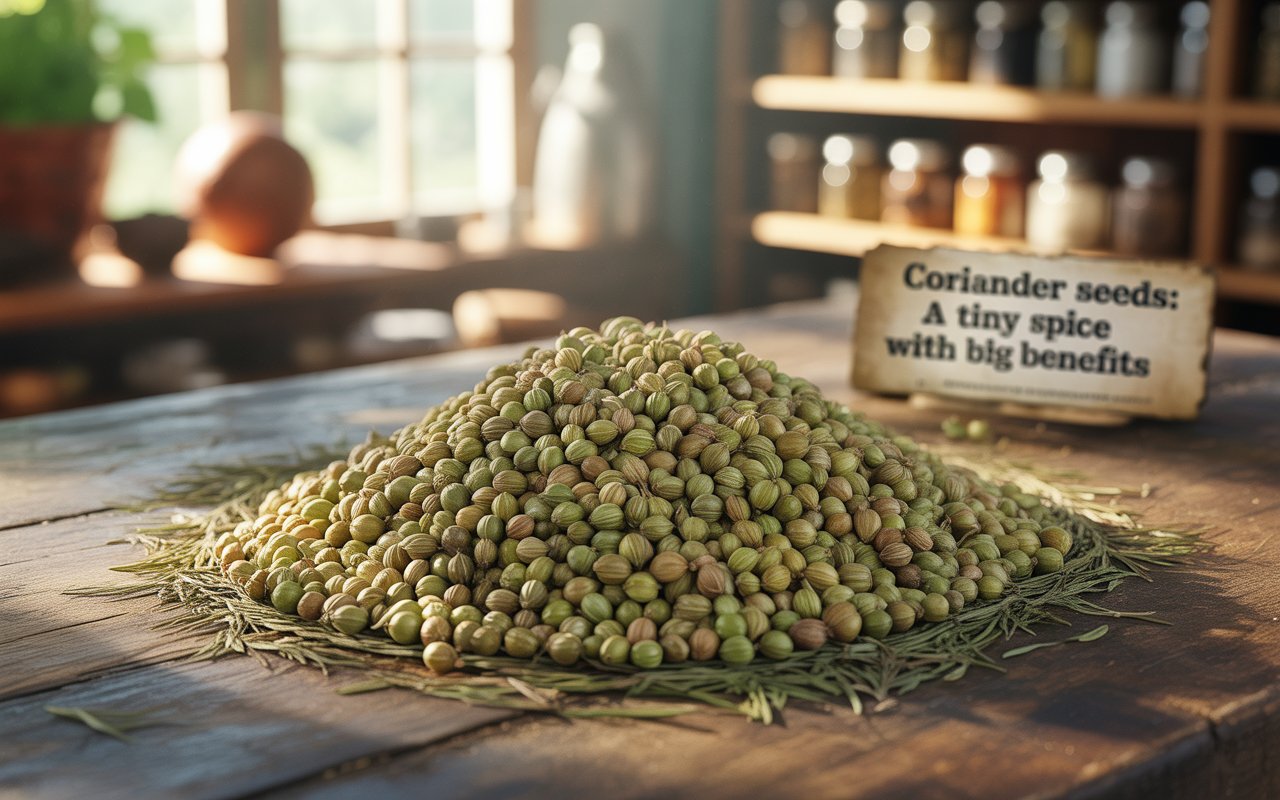
Ayurveda, the ancient Indian system of medicine, often recommends coriander seeds to balance the body’s internal heat. In Traditional Chinese Medicine, they’re used to stimulate appetite and improve digestion. Across cultures, these seeds have been trusted remedies for centuries—long before modern science confirmed their benefits
Coriander Seed Tea: A Simple Home Remedy
One of the easiest ways to enjoy the health perks of coriander seeds is by making tea. Simply crush a spoonful of seeds, boil them in water for 5–10 minutes, and sip. The taste is mild and refreshing, almost like a light citrusy herbal tea. Many people use it as a natural detox drink or to calm their stomach after heavy meals.
Growing and Harvesting Coriander
If you’ve ever planted coriander (cilantro) in your garden, you’ve already seen how it transforms into seeds once it flowers. The green seeds can be eaten fresh, while the dried ones are collected for cooking and storage. Growing coriander is surprisingly easy—just a bit of sunlight, water, and patience, and you’ll have your own supply of seeds and herbs.
Storage Tips to Preserve Flavor
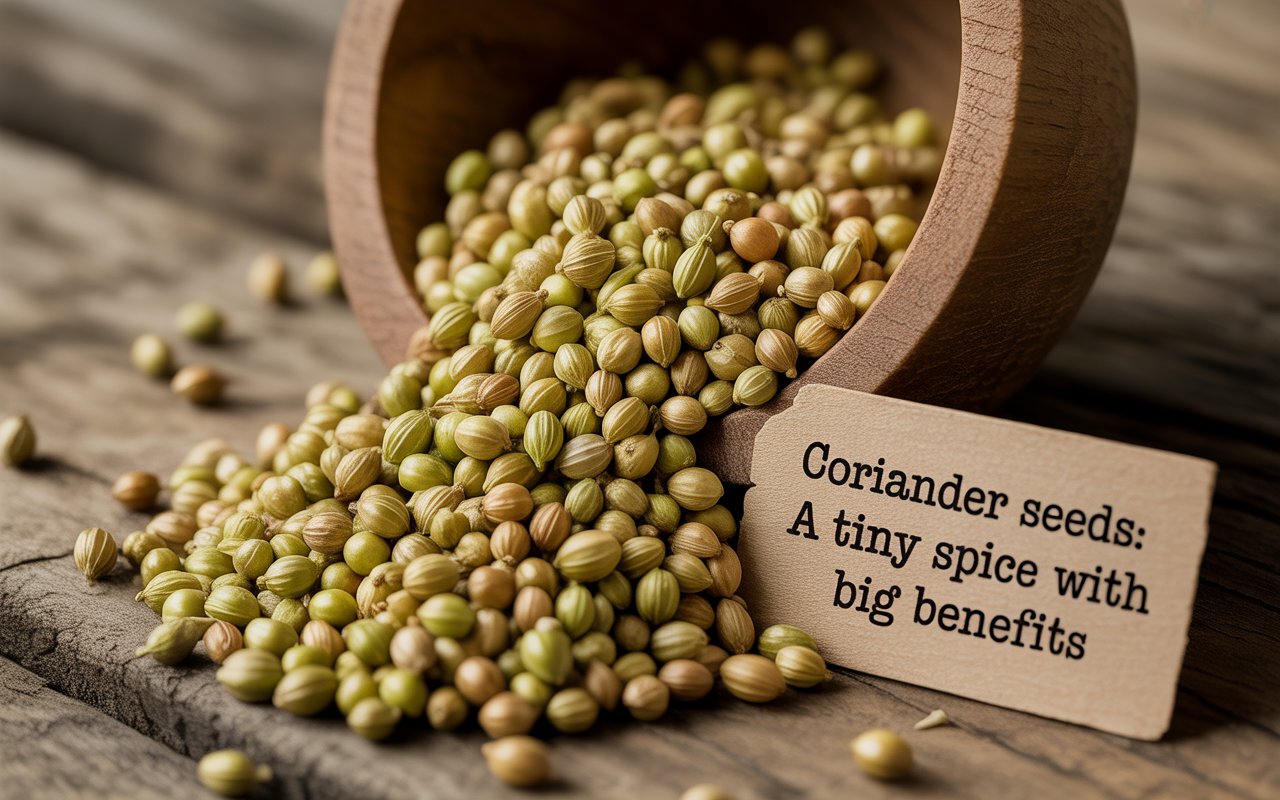
Coriander seeds last a long time if stored properly. Keep them in an airtight jar, away from sunlight and moisture. Whole seeds retain their flavor better than ground coriander, so it’s always a good idea to grind them fresh when cooking. Think of it like grinding coffee beans—freshly ground always tastes better.
Coriander Seeds in Everyday Life
From sprinkling them into your soup to brewing tea when your stomach feels off, coriander seeds can easily fit into daily routines. They’re inexpensive, widely available, and incredibly versatile. If you’re looking for one spice that balances taste and health, coriander might just be the unsung hero you’ve been overlooking.
Potential Side Effects and Precautions
While generally safe, coriander seeds should be consumed in moderation. Some people may be allergic, and excessive intake could lead to low blood sugar levels. Pregnant or breastfeeding women should consult their doctor before using coriander seeds as a remedy.
Conclusion
Coriander seeds are more than just another spice in the jar. They’re tiny, flavorful treasures packed with history, health benefits, and culinary magic. Whether you’re cooking a fragrant curry, brewing a soothing tea, or simply exploring natural remedies, coriander seeds deserve a special place in your life. So, next time you see them in your kitchen, remember—you’re holding something that has traveled through time and across cultures to reach your hands.
FAQs
1. Can coriander seeds be eaten raw?
Yes, they can, but they are usually roasted or ground to enhance their flavor. Raw seeds have a mild taste and are sometimes chewed for digestive benefits.
2. What is the difference between coriander seeds and cilantro?
They come from the same plant, but cilantro refers to the fresh green leaves, while coriander seeds are the dried fruits of the plant.
3. Can coriander seed tea help with weight loss?
While not a magic solution, coriander tea may aid digestion, reduce bloating, and support metabolism, making it a helpful addition to a healthy lifestyle.
4. How do you grind coriander seeds at home?
You can use a mortar and pestle for small quantities or a spice grinder for larger amounts. Lightly roasting the seeds before grinding enhances their aroma.
5. Are coriander seeds safe for everyone?
They are generally safe, but people with allergies or certain medical conditions should consult a healthcare professional before using them for medicinal purposes.
