



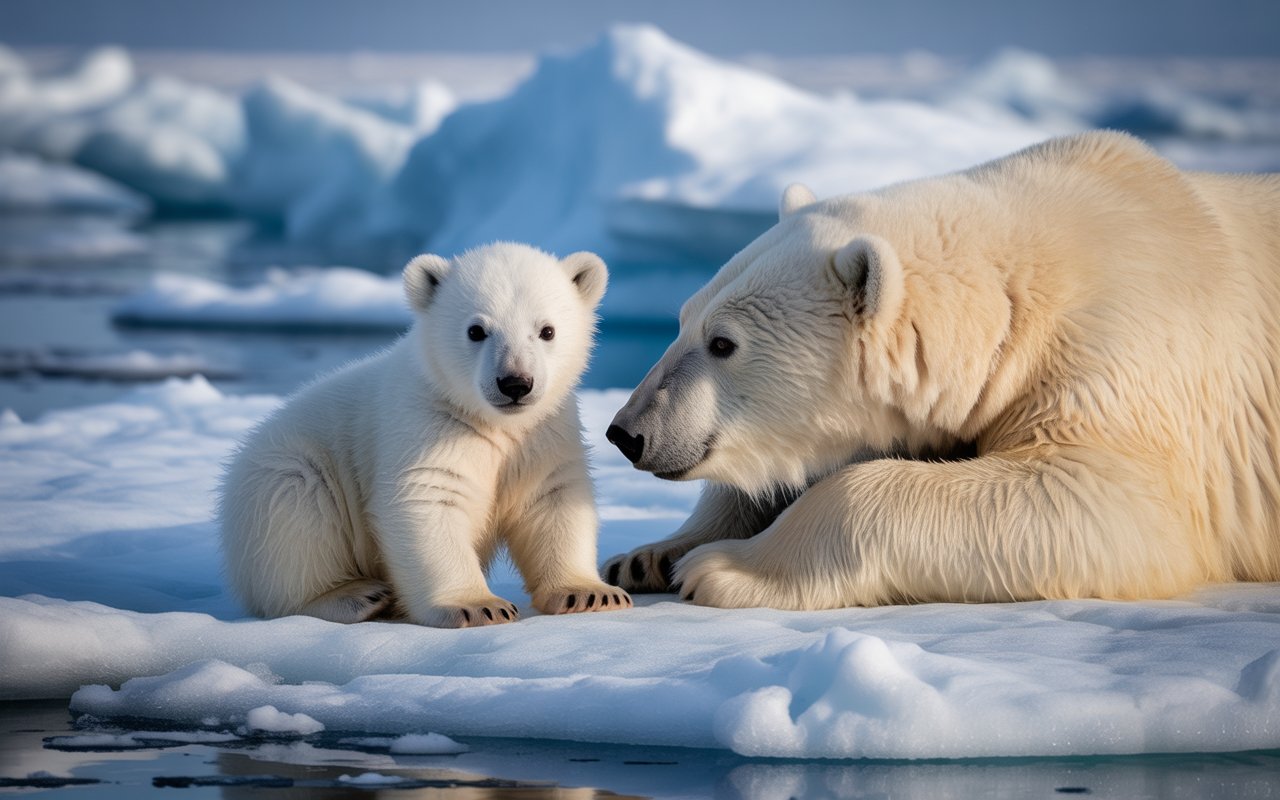
Baby Polar Bear: Life, Survival, and the Future of the Arctic’s Cutest Cub
When you imagine the Arctic, do you see endless fields of snow, shimmering ice, and a tiny white cub taking its first steps across a frozen world? Endless snow, icy winds, and maybe a fluffy white cub waddling behind its mother. A baby polar bear has a way of melting hearts, even in one of the coldest places on Earth. But behind those tiny paws and curious eyes lies a powerful story of survival, resilience, and change.
In this article, we’ll explore everything you need to know about these remarkable cubs—from birth and family life to climate challenges and conservation. So, let’s step into the frozen world of the Arctic and meet one of its most fascinating young residents.
The Arctic Home of the Polar Bear
The baby polar bear is born into one of the harshest environments on the planet—the Arctic region surrounding the North Pole. Countries like Canada, Russia, Greenland, Norway, and the United States (Alaska) share this icy habitat.
Unlike brown bears, polar bears depend heavily on sea ice. The ice acts as a hunting platform where adults catch seals, their primary food source. For a cub, this frozen world is both playground and survival ground.
Imagine learning to walk not on soft grass but on slippery ice surrounded by freezing winds. That’s everyday life for a young polar bear
Birth in a Snowy Den
A Tiny Beginning
It might surprise you to learn that a baby polar bear is incredibly small at birth. Weighing just about one pound (around 450 grams), a newborn cub is blind, hairless, and completely dependent on its mother.
This is especially fascinating when you compare it to the size of an adult polar bear, which can weigh over 1,000 pounds. The transformation is nothing short of astonishing.
The Safety of the Den
Mother polar bears dig snow dens during autumn. These dens act as natural insulation chambers. Inside, temperatures remain relatively stable compared to the brutal cold outside.
Cubs are usually born between November and January. They stay inside the den for several months, nursing and growing stronger before facing the outside world.
Growing Up: The First Few Months
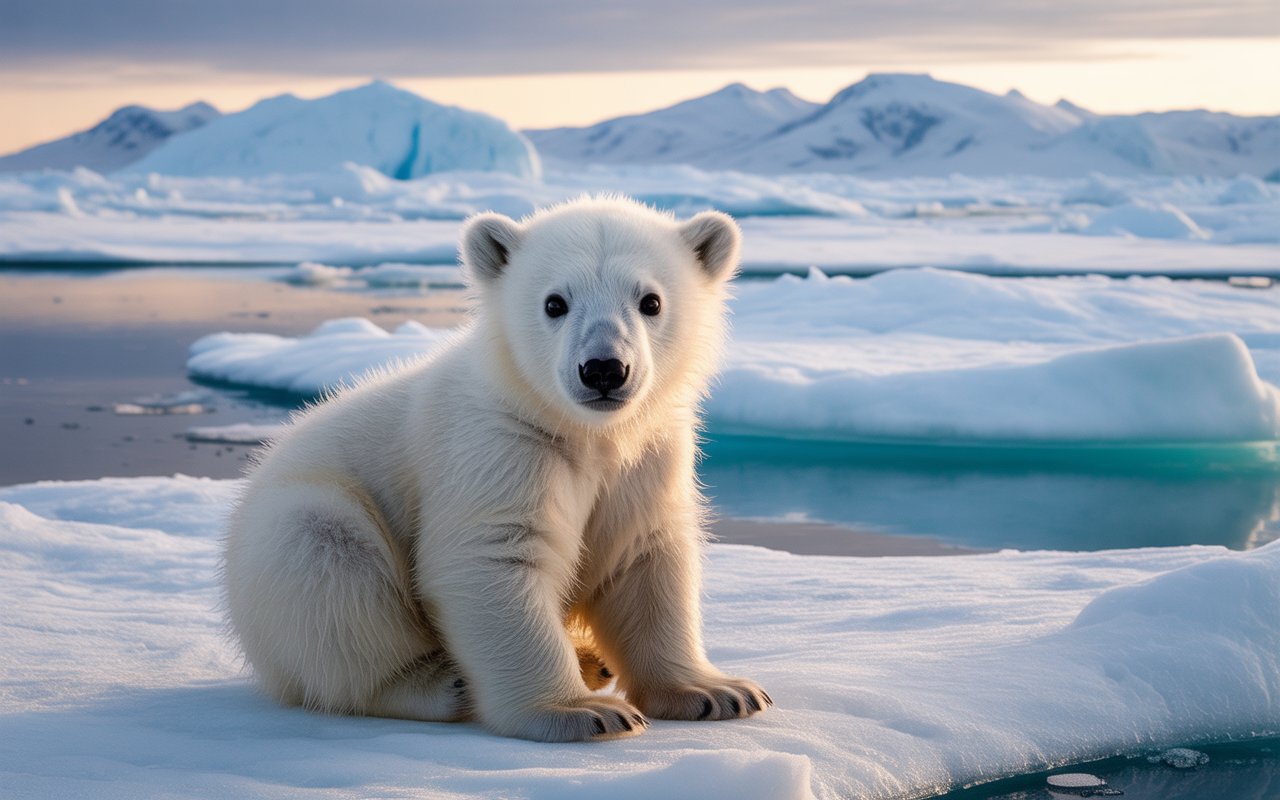
When spring arrives, the mother breaks open the den, and the cub sees sunlight for the first time. By now, it may weigh 20 to 30 pounds.
Learning to Walk on Ice
Those first steps are wobbly. The cub must quickly learn balance, coordination, and basic survival skills. Snow and ice are not forgiving surfaces, so agility becomes essential.
Nursing and Nutrition
Mother’s milk is extremely rich in fat—over 30% fat content. This helps the cub gain weight rapidly and build the thick layer of blubber needed for insulation.
Without this high-energy diet, survival in Arctic conditions would be nearly impossible.
The Bond Between Mother and Cub
The relationship between a mother polar bear and her cub is intense and deeply protective. For the first two to three years of life, the cub stays close to its mother.
She teaches:
-
Hunting techniques
-
Swimming skills
-
How to detect danger
-
When to conserve energy
You could think of the mother as a survival coach in a frozen wilderness. Every lesson matters.
If a threat appears—such as a male bear or a human presence—the mother becomes fiercely defensive. Her cub’s survival is her top priority.
Diet and Hunting Lessons
Seals: The Main Food Source
Polar bears primarily hunt ringed and bearded seals. Cubs observe their mothers patiently waiting near seal breathing holes in the ice.
Hunting is a lesson in patience. A mother may wait for hours without moving, conserving energy while staying alert.
Trial and Error
At first, the cub simply watches. Later, it tries clumsy practice attempts. These early failures are part of learning. Over time, skill improves, and independence grows.
Without mastering hunting, a young polar bear cannot survive adulthood.
Physical Features of a Baby Polar Bear
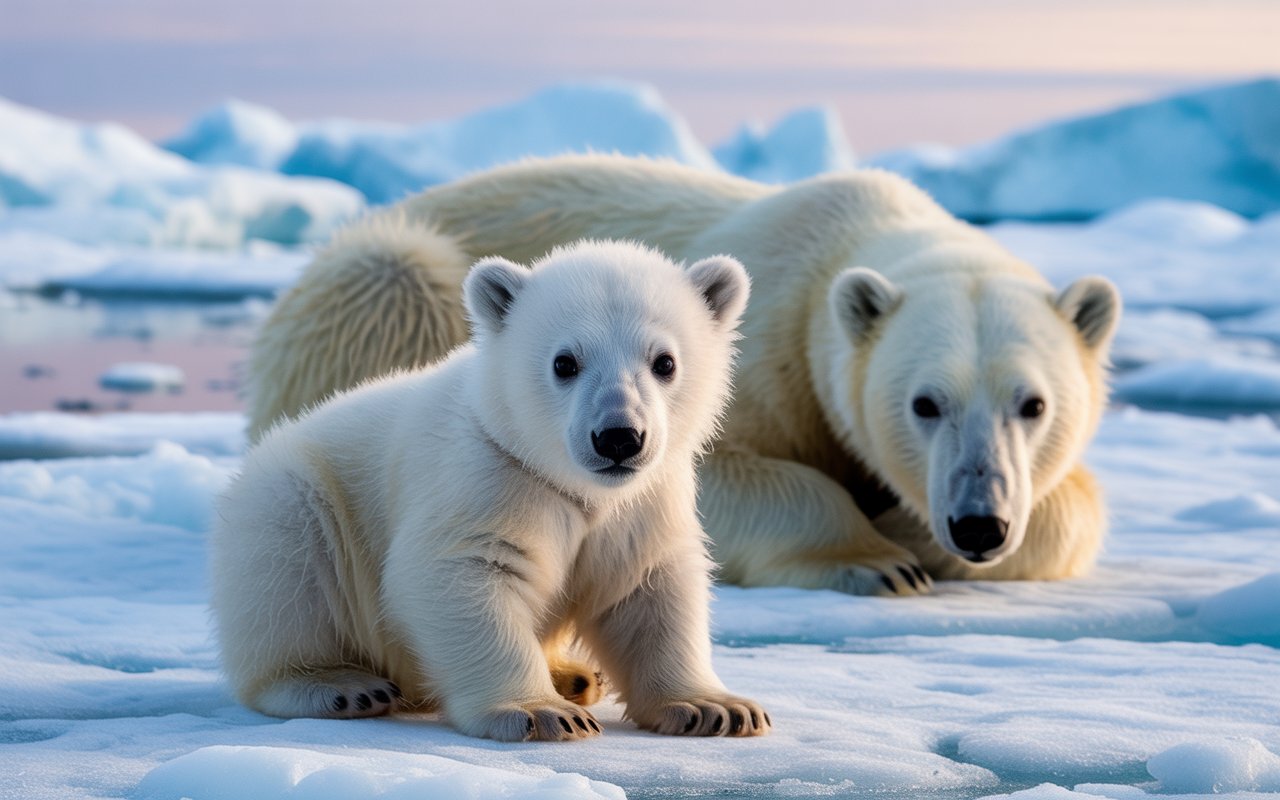
A baby polar bear may look pure white, but its fur is actually translucent. Each hair reflects light, making it appear white against the snow.
Underneath that fur:
-
Black skin absorbs heat from sunlight
-
A thick layer of fat keeps body temperature stable
-
Large paws help distribute weight on thin ice
Even as a cub, these adaptations begin developing early. Nature has designed them perfectly for Arctic survival.
Play Behavior and Social Development
Have you ever seen a cub rolling in the snow or gently wrestling with a sibling? Play isn’t just cute—it’s training.
Why Play Matters
Play helps develop:
-
Muscle strength
-
Coordination
-
Social skills
-
Problem-solving
In the wild, every playful tumble builds future survival skills. It’s like practice for real-life challenges.
Sometimes cubs are born as twins. They play together, compete, and form close bonds before eventually separating as adults.
Natural Threats in the Wild
Life in the Arctic isn’t easy. Even with a strong mother, a cub faces risks.
Predators and Rival Bears
Adult male polar bears can be dangerous to cubs. This is one reason mothers remain extremely cautious.
Starvation
If hunting conditions are poor and seals are scarce, the mother may struggle to produce enough milk. In harsh years, cub survival rates can drop significantly.
Survival depends on timing, weather, and food availability.
The Impact of Climate Change
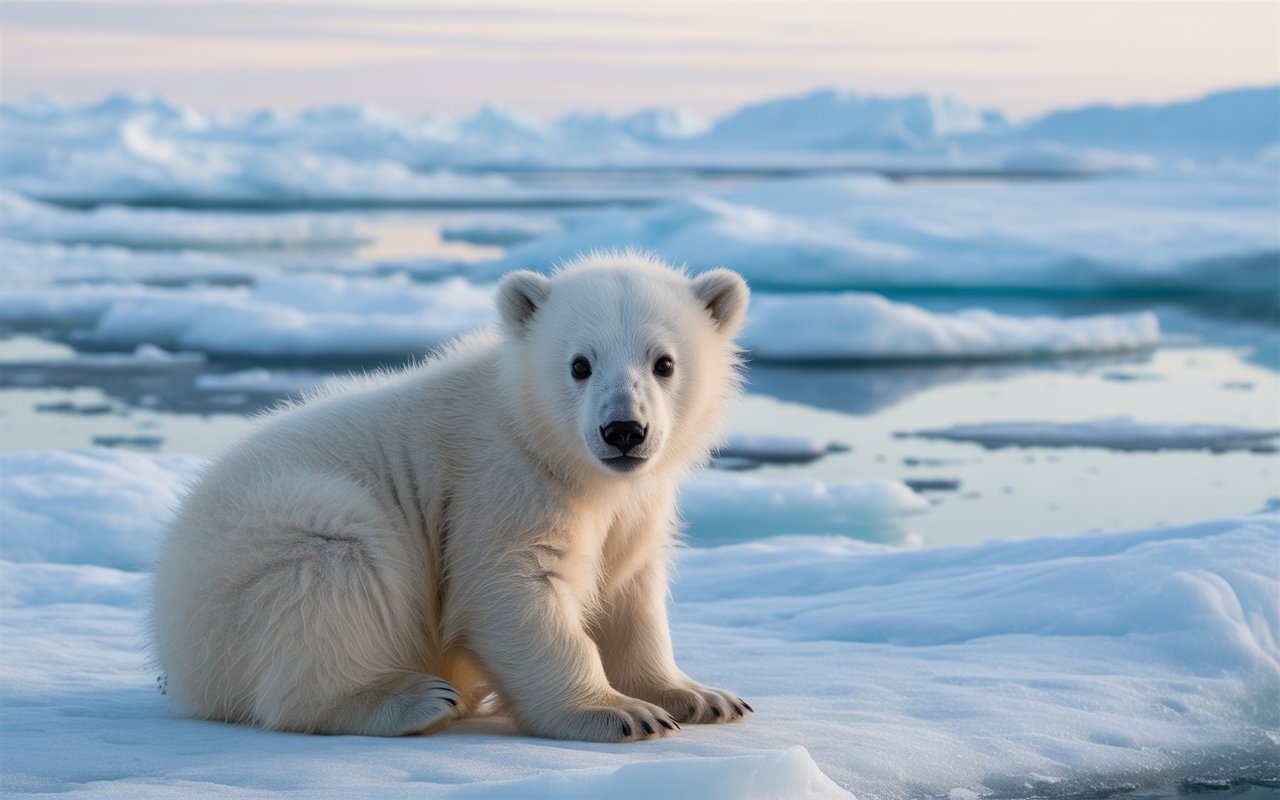
One of the biggest threats to a baby polar bear today is climate change. Arctic sea ice is now breaking apart sooner in the spring and taking longer to return once autumn arrives.
Less ice means:
-
Fewer hunting opportunities
-
Longer swimming distances
-
Increased energy use
-
Lower cub survival rates
According to the conservation group World Wildlife Fund, shrinking Arctic ice directly impacts polar bear populations.
Think of sea ice as a floating kitchen. When the kitchen disappears, finding food becomes a daily struggle.
Conservation and Protection Efforts
The International Union for Conservation of Nature classifies polar bears as a vulnerable species due to ongoing threats to their survival.
Efforts to protect them include:
-
Reducing greenhouse gas emissions
-
Monitoring population numbers
-
Managing human-bear conflict
-
Supporting Arctic research
Countries like Canada and Norway have strict wildlife management programs. Scientists track bears using satellite collars to understand migration and hunting patterns.
The future of every baby polar bear depends on global cooperation and environmental responsibility.
Polar Bears in Zoos and Wildlife Centers
Some baby polar bears are born in zoos. While the wild remains their natural home, zoos can help with research, education, and breeding programs.
For example, facilities like the San Diego Zoo participate in conservation awareness initiatives.
However, ethical debates continue about keeping large Arctic animals in captivity. Many experts agree that preserving natural habitats is the ultimate solution.
Cultural Significance and Global Fascination
Polar bears hold a special place in Arctic Indigenous cultures. They symbolize strength, endurance, and adaptability.
Globally, baby polar bears often become symbols of environmental campaigns. Their image appears in documentaries, climate reports, and educational materials.
Why do they capture our attention so deeply?
Perhaps because they represent innocence in a changing world. Watching a cub take its first steps on melting ice reminds us of what’s at stake.
The Journey to Independence
By age two or three, a young polar bear separates from its mother. This is both a natural and risky transition.
It must now:
-
Hunt alone
-
Travel long distances
-
Avoid dominant males
-
Find suitable territory
Independence marks the final step from cub to adult. Only those who master survival lessons will thrive.
Conclusion
A baby polar bear may begin life as a tiny, fragile cub in a snow den, but its journey is one of remarkable strength and adaptation. From learning to walk on ice to mastering the art of seal hunting, every stage shapes its survival.
Yet today, the greatest challenge isn’t natural predators—it’s environmental change. As sea ice shrinks and Arctic conditions shift, the future of these iconic animals hangs in the balance.
When we think about protecting the Arctic, we’re not just saving ice—we’re safeguarding the next generation of polar bears. And perhaps, in doing so, we’re protecting a piece of our planet’s wild beauty too.
FAQs
1. How much does a baby polar bear weigh at birth?
A newborn typically weighs about one pound (around 450 grams), making it extremely small compared to its adult size.
2. How long does a polar bear cub stay with its mother?
Cubs usually remain with their mother for about two to three years while learning survival skills.
3. What do baby polar bears eat?
They drink their mother’s high-fat milk during early life and later learn to hunt seals.
4. Why is sea ice important for polar bear cubs?
Sea ice provides a hunting platform for seals, which are the primary food source for both mothers and growing cubs.
5. Are polar bears endangered?
Polar bears are currently classified as vulnerable due to habitat loss caused by climate change.

Author