



Acting Classes: Your Complete Guide to Unleashing the Performer Within
Have you ever watched a movie and thought, “I wish I could act like that”? Or maybe you’ve always loved storytelling, pretending to be someone else, or performing in front of a mirror. Acting isn’t just for Hollywood stars—it’s a skill anyone can learn, polish, and enjoy. That’s where acting classes come in.
In this comprehensive guide, we’ll dive deep into what acting classes offer, why they’re valuable, what to expect, how to choose the right one, and how they can transform more than just your performance skills. Whether you’re curious, shy, ambitious, or simply exploring a new hobby, this article is for you.
Understanding the Purpose of Acting Classes
Before stepping into the spotlight, it’s important to understand what acting classes actually do.
At their core, these classes are structured learning spaces designed to help people explore performance techniques, build confidence, and understand the emotional and physical aspects of acting. Unlike watching tutorials online, being in a class gives you real-time feedback, interaction with peers, and the chance to perform in a safe environment.
Imagine learning to swim by reading about it. It might give you some idea—but actually jumping into the pool with a coach guiding you makes all the difference. Acting is very similar.
Different Types of Acting Classes You Can Take
Not all acting classes are created equal. Depending on your goals, there are several types of training options available:
1. Beginner or Introductory Classes
Perfect for newcomers, these classes focus on the basics: body language, voice projection, presence, and overcoming stage fright. Think of them as your acting foundation.
2. Scene Study Workshops
Here, students work on actual scenes from plays or films. You’ll learn how to analyze scripts, build characters, and perform in pairs or small groups.
3. Improv (Improvisation) Sessions
These are fun, fast-paced, and often hilarious. Improv helps sharpen your reflexes, creativity, and ability to think on your feet—crucial skills for both acting and real life.
4. On-Camera Training
Stage acting and camera acting are very different. On-camera classes teach you how to work with angles, subtle expressions, and technical aspects like hitting marks or adjusting to lighting.
5. Method Acting & Technique-Based Programs
Some schools offer specialized training in methods developed by legendary practitioners like Stanislavski, Meisner, Adler, or Strasberg. These programs are more intense and suited for those who want to go deeper into the craft.
6. Voice and Movement Classes
Acting isn’t just about words. These classes focus on vocal clarity, diction, accents, body control, and expressive movement—helping you bring characters to life.
Who Can Join Acting Classes?
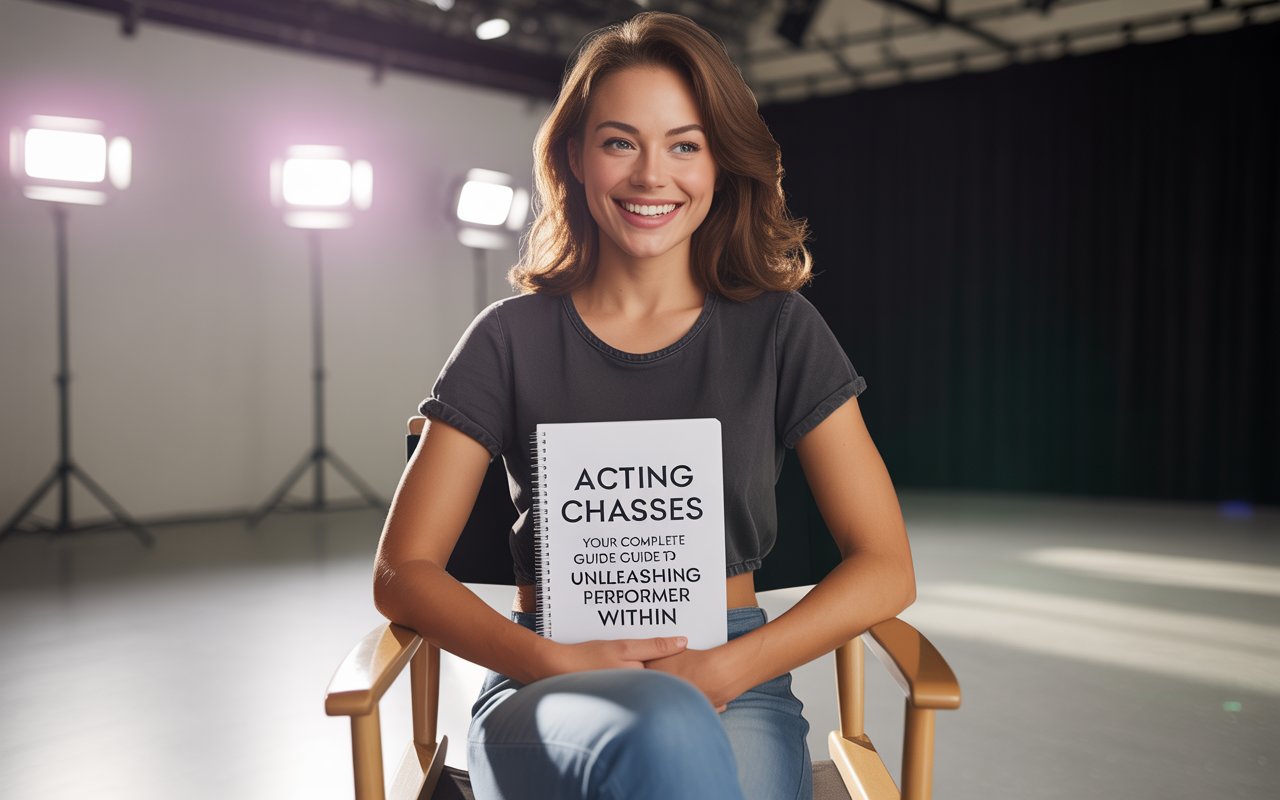
One of the most beautiful things about acting is that there’s no age limit or specific background required.
-
Children and Teens often join to build creativity, communication, and teamwork skills.
-
Adults enroll to pursue careers, hobbies, or simply break out of their comfort zones.
-
Professionals from other fields take classes to improve their presentation skills, emotional intelligence, or public speaking.
You don’t need a drama degree or a theatre background. All it really takes is a spark of curiosity and an open mind ready to explore new possibilities.
How Acting Classes Build Confidence and Presence
Have you ever felt nervous speaking in public or expressing emotions openly? Acting classes can be surprisingly transformative.
Through exercises like role-playing, vocal warm-ups, and stage games, students gradually overcome fear and self-consciousness. It’s not about pretending to be someone else—it’s about discovering parts of yourself you didn’t know existed.
Many people describe it as “freeing.” When you step into a character, you momentarily let go of personal insecurities. Over time, this leads to increased self-assurance, better posture, improved voice control, and stronger social skills—even offstage.
What to Expect in Your First Acting Class
Stepping into your first class might feel intimidating, but rest assured—everyone starts somewhere. Here’s what a typical beginner session might include:
-
Introductions and Icebreakers: To get everyone comfortable and build trust.
-
Warm-Up Exercises: Breathing, vocal stretches, and physical movement to loosen up.
-
Improvisation Games: Fun activities to get creative juices flowing.
-
Scene Work or Monologues: Simple pieces to practice delivery and emotion.
-
Feedback and Reflection: Instructors and peers offer constructive suggestions.
You’re not expected to be perfect. The goal is to explore, experiment, and learn in a supportive environment.
How to Choose the Right Acting Class for You
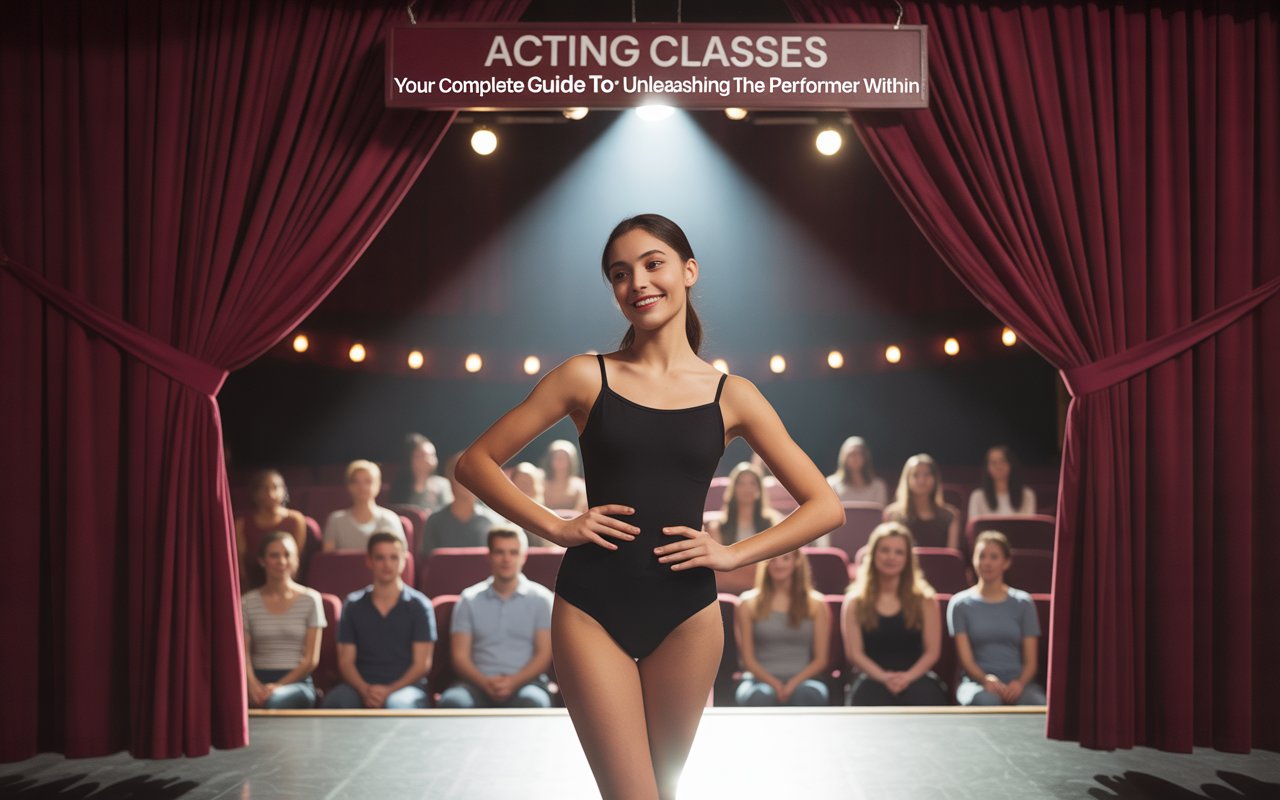
Finding the right acting class can feel like choosing the perfect pair of shoes—you need a good fit. Here are some key things to consider:
Instructor’s Experience and Style
Do some research on the instructor’s background. Have they worked in theatre, film, or TV? Their teaching approach should match your learning style—some are more nurturing, while others are more intense.
Class Size and Structure
Smaller classes often provide more personalized attention, while larger groups offer more diverse interactions. Decide which environment suits you best.
Course Focus
Are you looking to perform on stage, work on camera, or simply build confidence? Pick a class that aligns with your goals.
Location and Schedule
Consistency matters. Choose a class you can attend regularly without stress.
Trial Classes
Many studios offer a trial session or a drop-in class. This is a great way to see if the vibe matches your expectations before committing.
The Skills You Develop Beyond Acting
Acting classes are not just for aspiring performers. They equip you with skills that spill over into many areas of life:
-
Communication: Learning how to express thoughts clearly and confidently.
-
Empathy: Stepping into different characters helps you understand diverse perspectives.
-
Problem-Solving: Improv and scene work train you to adapt quickly.
-
Teamwork: Acting often involves collaboration with scene partners or ensembles.
-
Creative Thinking: Encouraging imagination and innovative expression.
Many corporate professionals, educators, and even medical practitioners take acting courses to enhance these soft skills.
Acting Classes as a Gateway to a Career
For those dreaming of the spotlight, acting classes are often the first stepping stone toward a professional career.
Here’s how they help:
-
Portfolio Development: You can build a showreel, take professional headshots, and gain material for auditions.
-
Industry Networking: Classes often attract casting directors, agents, or working actors, providing opportunities to connect.
-
Audition Preparation: Specialized training teaches you how to handle auditions with confidence and skill.
-
Performance Opportunities: Many schools organize showcases or small productions, giving students real-stage experience.
While not everyone becomes a celebrity, plenty of actors build meaningful careers in theatre, commercials, independent films, television, and even voice acting.
Common Myths About Acting Classes

Like any creative pursuit, acting is surrounded by a few persistent myths. Let’s clear some of them up:
“You have to be naturally talented.”
Talent helps, but acting is a craft. Just like learning to play the piano, consistent practice and training lead to mastery.
“Acting classes are only for future stars.”
Not true! Many people join for personal growth, fun, or confidence-building, with no intention of pursuing fame.
“You’ll be judged or laughed at.”
Reputable acting schools foster supportive, judgment-free spaces where everyone learns together.
“You need to memorize huge scripts immediately.”
Beginner classes focus on small, manageable exercises. Memorization skills develop over time.
Tips to Get the Most Out of Acting Classes
Here are some practical ways to make your journey smoother and more rewarding:
-
Show up consistently – Regular practice leads to faster improvement.
-
Be open to feedback – Constructive criticism is your best friend.
-
Watch performances – Learn by observing stage plays, films, or peers.
-
Step out of your comfort zone – Growth happens when you take risks.
-
Stay humble and curious – Even seasoned actors keep learning.
Think of acting like tending a garden. You plant seeds (your first classes), water them regularly (practice), and over time, your skills bloom beautifully.
The Transformative Power of Acting
Acting is more than just pretending—it’s a journey of self-discovery. Many students report becoming more confident, empathetic, emotionally intelligent, and expressive.
In a world where many of us hide behind screens and filters, acting offers a rare space to be fully present, connect with others, and tell meaningful stories. Whether you want to perform professionally or simply enrich your personal life, acting classes can be truly life-changing.
Conclusion
Acting classes are for everyone—dreamers, doers, professionals, and beginners alike. They offer more than performance skills; they help you find your voice, express yourself authentically, and build a deeper connection with others.
Whether you join for fun, personal growth, or a career path, remember that the stage is simply a mirror—it reflects not just characters, but the best parts of who you can become.
FAQs About Acting Classes
1. Do I need any prior experience to join acting classes?
No. Most beginner classes welcome complete newcomers. You’ll start with basics and build from there.
2. How long does it take to see improvement?
Everyone’s pace is different, but with regular practice, many people notice increased confidence and skill within a few weeks to months.
3. Are acting classes expensive?
Prices vary by location and program type. Some community centers offer affordable options, while professional studios may cost more. It’s wise to research and compare.
4. Can acting classes help with stage fright or public speaking?
Yes! Many people join specifically to overcome shyness. Acting exercises help build confidence and improve communication.
5. What if I feel nervous performing in front of others?
Feeling nervous is completely normal. Instructors create supportive environments where mistakes are part of the learning process. Over time, your nerves will ease.
