




Bear Traps: What You Need to Know to Stay Safe in the Wild
If you’ve ever imagined a peaceful walk through the forest, the last thing you might think about is stumbling into a bear trap. But these devices, designed to catch large animals, are still used in some parts of the world, both legally and illegally. Understanding them is not just useful for outdoors enthusiasts—it can be life-saving. So, let’s dive into the world of bear traps, exploring their history, types, dangers, and safety measures in a way everyone can understand.
What Are Bear Traps?
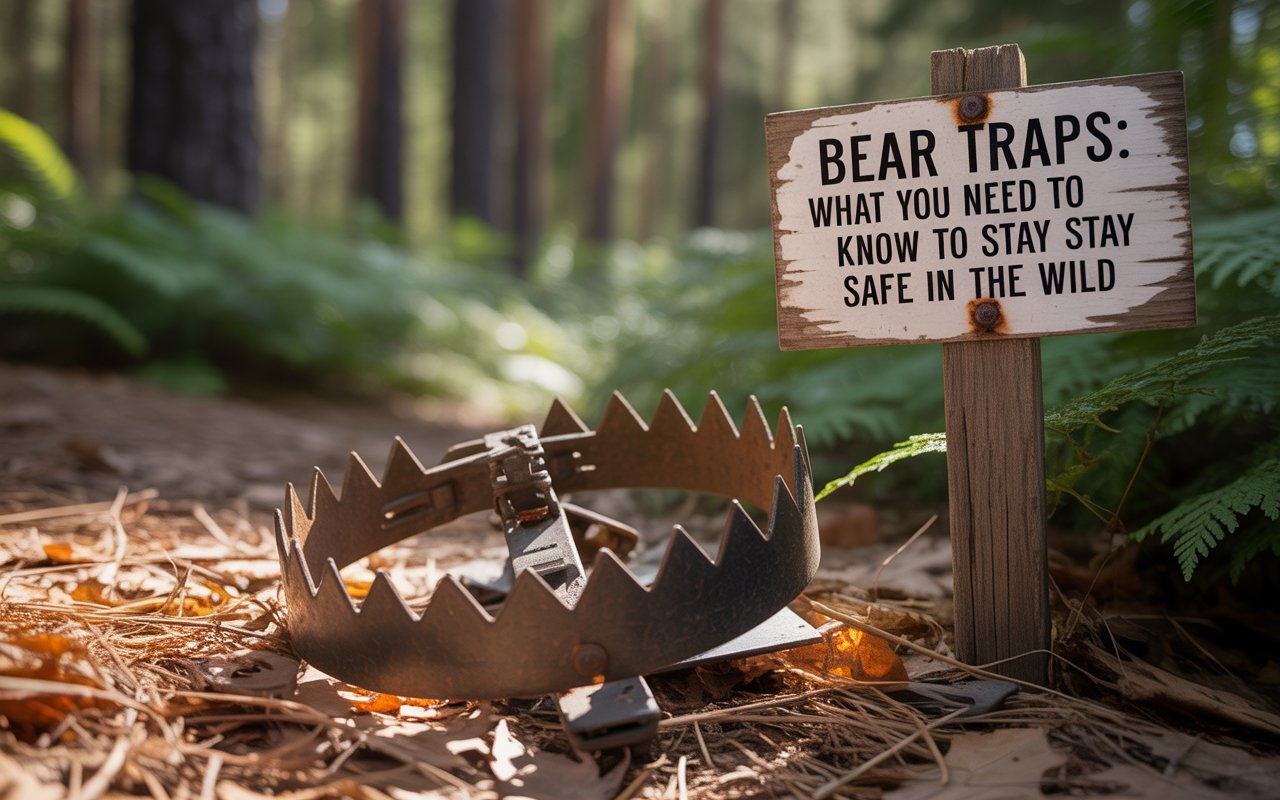
Bear traps are mechanical devices designed to capture large animals like bears, cougars, or wild boars. They are built to hold the animal in place, usually by clamping onto a leg, until the hunter returns. While they might seem straightforward, they are surprisingly effective—and dangerous.
Think of a bear trap as a spring-loaded mousetrap but on a much larger and more dangerous scale. The force they exert can cause serious injury, not just to animals but to humans who might accidentally step on them.
A Brief History of Bear Traps
Bear traps have been around for centuries. Hunters and trappers in North America and Europe first developed them to protect crops and livestock or to catch animals for fur. Early versions were made from wood and metal, often handcrafted. Over time, they evolved into more sophisticated steel traps with powerful springs.
Interestingly, the design hasn’t changed much in over a hundred years—proof that simplicity can sometimes be the most effective. However, modern laws in many countries now regulate or prohibit the use of these traps to protect wildlife.
Types of Bear Traps

Bear traps come in several designs, each with its own method of capturing an animal:
1. Foot-Hold Traps
These are the most common type. A spring-loaded jaw snaps shut around the animal’s leg. They’re designed to hold, not kill, but the injury can be severe if the animal struggles.
2. Body-Grip Traps
Also called Conibear traps, these target the body rather than just the limb. They are faster and more lethal, often used for controlling populations of nuisance animals.
3. Cage Traps
Unlike traditional steel traps, cage traps allow the animal to enter and become enclosed without injury. They’re considered more humane and are often used for relocation purposes.
4. Snare Traps
Although not a jaw-style trap, snares use a wire loop to tighten around the animal. They are simple, cheap, and highly effective but can be controversial due to the risk of prolonged suffering.
How Bear Traps Work
Bear traps operate on a straightforward mechanism: stepping on a trigger plate snaps the jaws shut with force. When the animal steps on the trigger plate, it releases a spring mechanism that snaps the metal jaws around the foot or leg. The stronger the spring, the more forceful the clamp.
This is why bear traps are so dangerous. Even a curious hiker stepping on one can suffer broken bones, deep cuts, or worse. It’s a stark reminder that nature can be full of hidden hazards.
Why Bear Traps Are Controversial
Bear traps spark strong debate for a few reasons:
-
Animal Welfare: Many animal rights groups argue that traps cause unnecessary pain and suffering.
-
Legal Issues: In several countries, certain types of traps are banned or heavily regulated.
-
Environmental Impact: Non-target animals, like dogs or rare wildlife, can accidentally get caught.
Imagine placing a metal jaw on a forest path. Not only could a bear get trapped, but any other creature wandering by might become a victim. It’s a reminder of how human interventions in nature often come with unintended consequences.
Dangers to Humans
You might think, “I’m not a bear, so I’m safe.” Unfortunately, bear traps don’t discriminate. Hiking in areas where traps are legal can pose risks to humans, especially children, pets, and curious hikers. Accidental encounters can lead to:
-
Broken bones
-
Deep lacerations
-
Risk of infection
-
Permanent disability in severe cases
Seasoned hikers often stay cautious by using a strong walking stick to probe the path ahead and wearing reinforced boots for extra protection.
Recognizing Bear Trap Areas
Knowing where bear traps might be placed can save lives. Some signs include:
-
Rural or remote areas: Traps are often set near farmland or forested hunting grounds.
-
Trail intersections: Hunters place traps near paths used by animals.
-
Warning signs: In regulated areas, authorities may post warnings about traps.
If you’re unsure about an area, it’s best to avoid walking off established trails.
Safety Tips for Hikers and Campers
Here are some practical steps to stay safe:
-
Stay on marked trails: Venturing off-trail increases the risk of stepping on a trap.
-
Keep dogs leashed: Pets can easily trigger traps, causing injury.
-
Be alert: Look for unnatural metal or wood structures on the ground.
-
Use trekking poles: Testing the ground ahead can help detect hidden traps.
-
Report suspicious traps: Local wildlife authorities appreciate tips that prevent accidents.
Remember, prevention is always better than treatment when it comes to traps.
Legal Status of Bear Traps
The legality of bear traps varies by country and state:
-
In the United States, some states allow certain traps under strict regulations.
-
In Europe, many countries have banned mechanical traps for ethical reasons.
-
In other parts of the world, traps are still widely used for hunting and pest control.
Always check local regulations before venturing into wildlife areas or if you are a hunter considering using traps. Ignorance of the law is rarely an excuse, especially when public safety is at stake.
Humane Alternatives to Bear Traps
The good news is there are safer ways to manage wildlife:
-
Cage trapping: Allows relocation without harm.
-
Fencing and deterrents: Physical barriers and noise devices can prevent wildlife from approaching humans or livestock.
-
Non-lethal repellents: Chemical or scent-based solutions can discourage bears from entering populated areas.
It’s a bit like choosing to install a motion sensor light instead of a net trap in your garden—less cruel, yet still effective.
Stories of Encounters With Bear Traps
Hearing real-life experiences makes the dangers more tangible. There are stories of hikers in North America narrowly avoiding bear traps, often spotting them just in time to step back. Some pet owners have tragically lost dogs to these devices. These stories remind us that bear traps are not relics of the past—they’re a present-day concern, and awareness can save lives.
The Takeaway: Respect Nature and Stay Informed
Bear traps are a potent reminder of nature’s dangers and human ingenuity. While they serve a purpose for some hunters and wildlife managers, they carry risks that can’t be ignored. Whether you’re hiking, camping, or living near wooded areas, understanding how traps work, where they might be, and how to protect yourself is essential.
Think of it like learning traffic rules before driving—you wouldn’t ignore stop signs just because the road seems empty. Awareness and careful planning are your strongest defenses when navigating the wilderness.
Conclusion
Bear traps are more than just hunting tools—they are symbols of the fine line between survival, human intervention, and the ethics of wildlife management. By knowing their history, mechanics, risks, and safer alternatives, we can make smarter choices in nature. Remember, a few simple precautions—staying on trails, keeping pets close, and watching your step—can prevent serious injuries and save lives.
FAQs About Bear Traps
1. Are bear traps still used today?
Yes, but their use is regulated in many areas. Some states allow traps for hunting or population control, while others ban them entirely.
2. Can a bear trap seriously injure humans?
Absolutely. Bear traps can cause broken bones, deep cuts, or permanent injuries if accidentally triggered.
3. What should I do if I see a bear trap in the wild?
Do not touch it. Keep a safe distance, mark the location if possible, and report it to local wildlife authorities.
4. Are there humane alternatives to traditional bear traps?
Yes. Cage traps, fencing, deterrents, and non-lethal repellents offer safer ways to manage wildlife without causing undue suffering.
5. How can hikers protect themselves from bear traps?
Stay on marked trails, keep dogs leashed, use trekking poles to test the ground, and be vigilant in areas known for traps.
